NSPIRE, and what it changed about inspecting a unit
HUD's inspection standard is replacing HQS program by program. What it looks for, how it scores, when each program has to comply, and what it means to run it in the field. Padmission Inspections is the NSPIRE inspection app built for these programs.
NSPIRE is the National Standards for the Physical Inspection of Real Estate, and it is not HQS with new paperwork. It reorders what matters — health and safety first, inside the unit before the grounds — scores defects by severity rather than pass/fail per item, and pushes far more of the work onto what a program can evidence afterward.
The compliance dates arrived on different calendars for different programs, and CoC and ESG reach theirs on October 1, 2026 without the program-specific standards that every comparable program received first. That gap is an operating problem, not a paperwork one: a deadline with no published standard still has to be met by somebody with a tablet in a stairwell.
These pieces cover the standard itself, how it differs from HQS in practice, and what a program can decide now regardless of what HUD publishes next.
An NSPIRE inspection, start to finish
The standard changed what an inspector looks for and how a defect is scored. It also moved more of the work to what happens after the visit.
Start here
The pieces worth reading first.
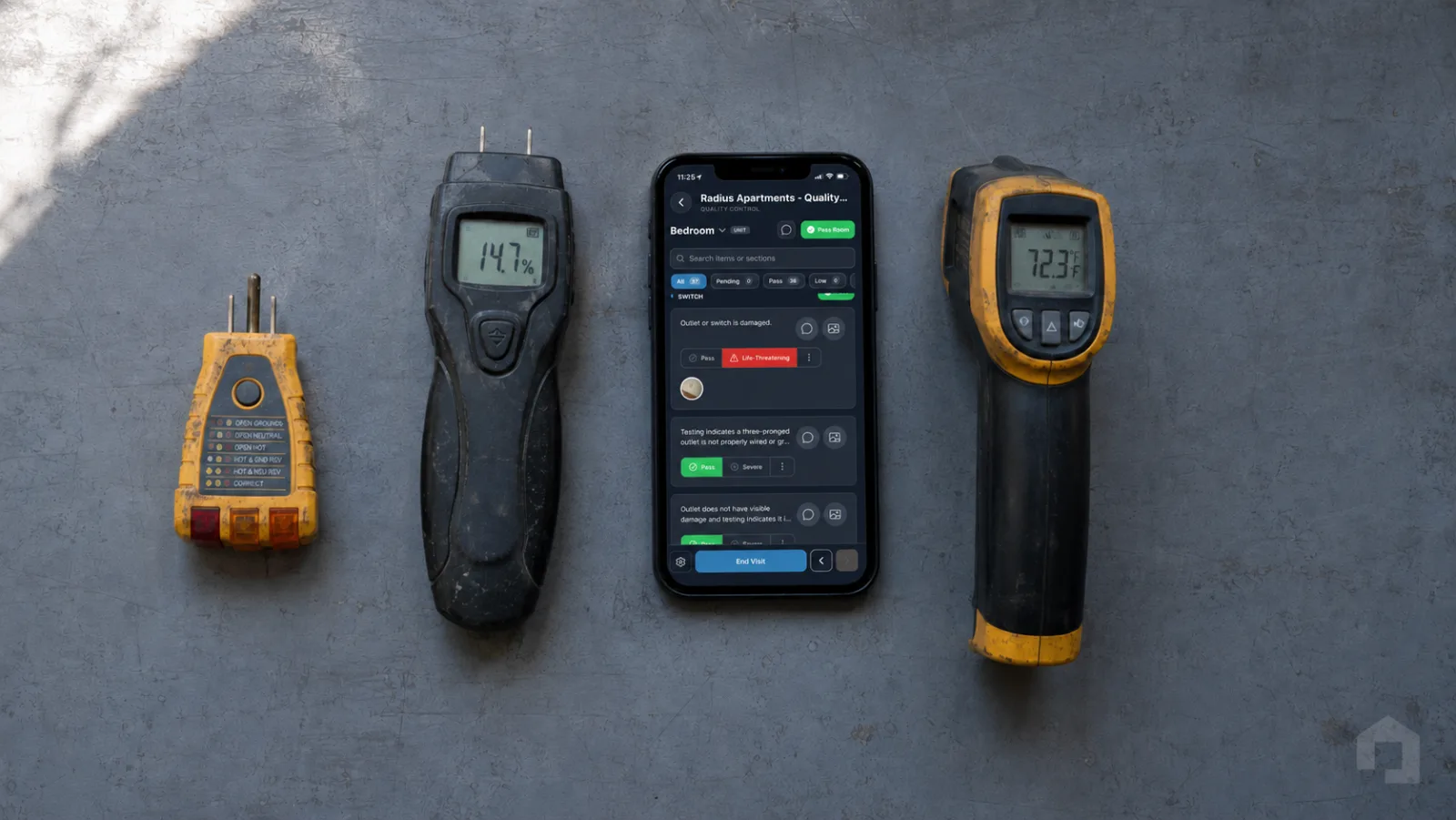
Under HQS, whether a unit passed often depended on who inspected it. Under NSPIRE the standard decides — and it decides differently than the HQS checklist did, with more spaces and aspects to check.
HUD CoC and ESG programs face an October 1, 2026 compliance date, preparing against a standard written for the Housing Choice Voucher program. That is a governance problem before it is an inspection problem.
CoC and ESG face an NSPIRE compliance date without the program-specific standards every comparable program received first. A deadline with no published standard still has to be met by somebody with a tablet in a stairwell.
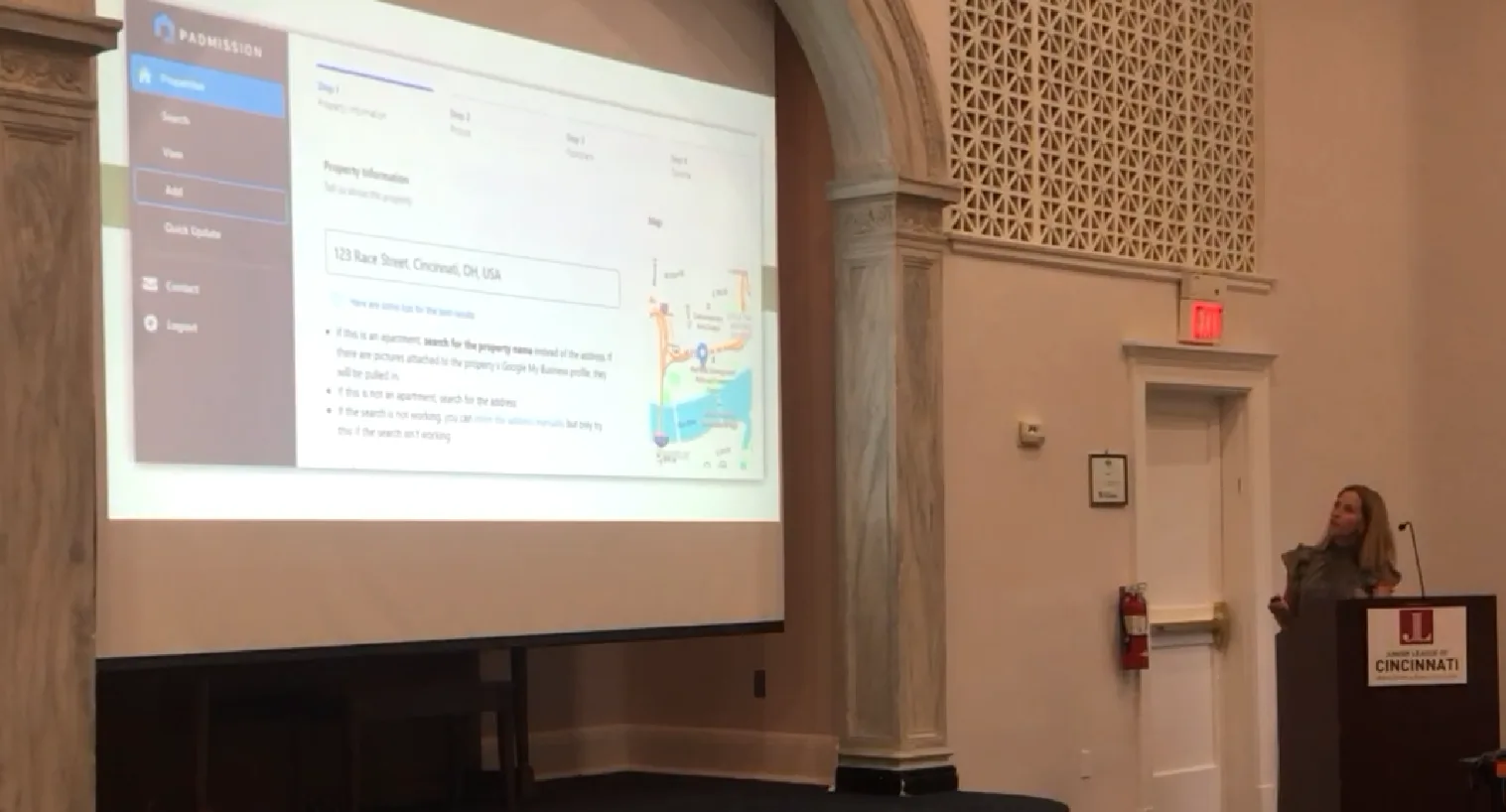
Owners see the results of a program's work directly. Regular, honest contact prepares them for big changes, sets how they work with the program, and turns a list of property contacts into partners.
Most of what your team has read or been told about HOTMA was written for public housing authorities administering the Housing Choice Voucher program and public housing. A good deal of it does not apply to a CoC or ESG-assisted household. Acting as though it does can cost a household its assistance.
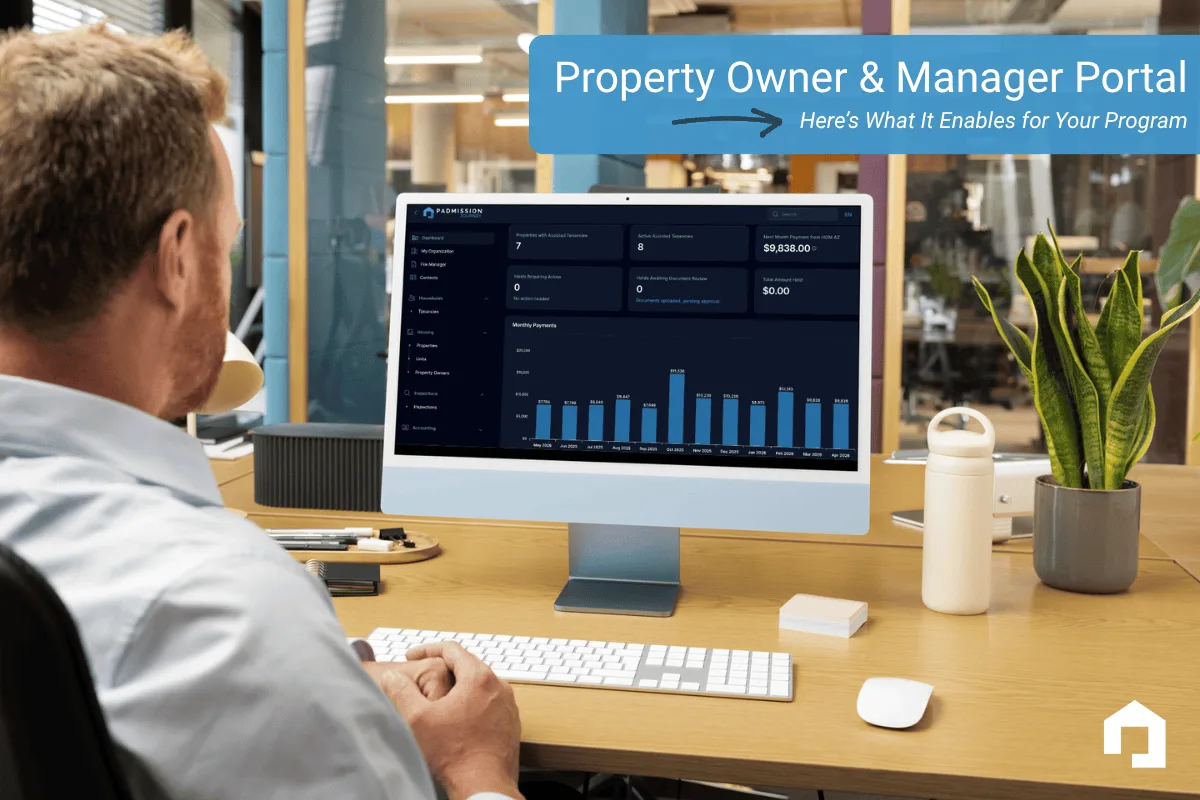
Property owners without payment visibility call your staff. The Journey Property Owner & Manager Portal changes where that inquiry goes first.

Permanent housing assistance is the most effective tool we have to end homelessness. The challenge today isn't commitment or expertise — it's the absence of systems built to carry the work as it actually exists.
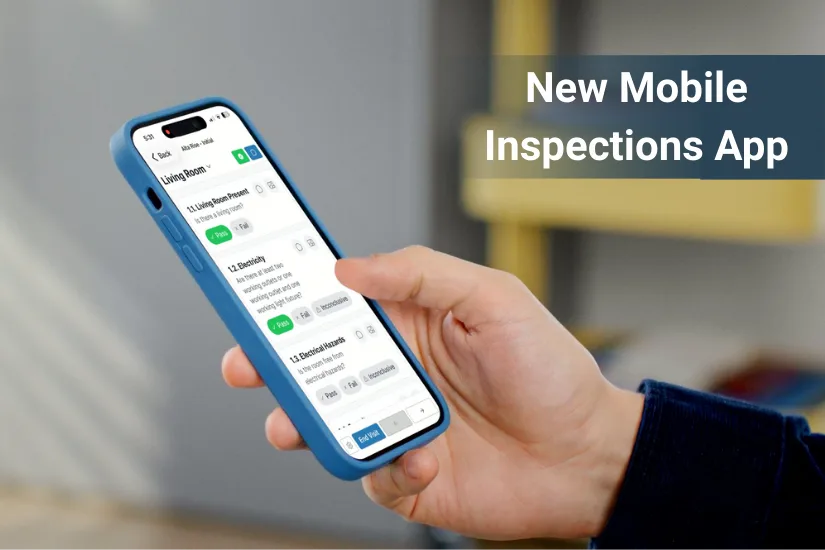
Inspection teams can complete required unit inspections in the field, sync results back to Journey, capture photos, and schedule reinspections — without leaving the platform.

New unit-level functionality lets housing locators track inspections, hold units, and align with HUD guidance on ESG-CV landlord incentives.
Common questions
What is NSPIRE?
The National Standards for the Physical Inspection of Real Estate — HUD's inspection standard, which is replacing HQS. It orders inspection by where a defect puts a resident at risk, looks inside the unit first, and classifies deficiencies by severity rather than passing or failing each item.
How is NSPIRE different from HQS?
NSPIRE reorders what matters toward health and safety, scores by severity instead of pass/fail, sets correction timeframes tied to that severity, and expects more evidence retained after the visit. It is a different method, not HQS with new forms.
When do CoC and ESG have to comply with NSPIRE?
October 1, 2026 for CoC and ESG. HOME and HTF were extended to April 14, 2027, and HOPWA has been subject to it since February 2, 2026.
Is there an NSPIRE inspection app?
HUD decommissioned its own NSPIRE-V demonstration application and has paused development of a replacement, so programs use commercial tooling or a fillable checklist. Padmission Inspections runs the standard on a phone, including offline.
HOTMA compliance
Which HOTMA provisions actually reach CoC, ESG, HOPWA, HOME and HTF — the applicability question that has to be settled before any of the income and asset changes can be implemented.
Go to hotma complianceHousing program administration
Eligibility, income examinations, rent calculation, inspections, payments and the record that has to hold up afterward — the work between the tools, and who keeps it correct when the rules change.
Go to housing program administrationSee NSPIRE inspections in the field
How the standard runs on a phone — offline capture, severity scoring, the correction clock, and a record that holds up when the finding is questioned months later.