Case studies: what communities built, in their own words
Continuums of Care and housing agencies on how they centralized landlord engagement, housing search or rental assistance administration: what it took, and what changed afterward. Named, quoted, and specific.
7 stories, newest first. Last added August 11, 2026.
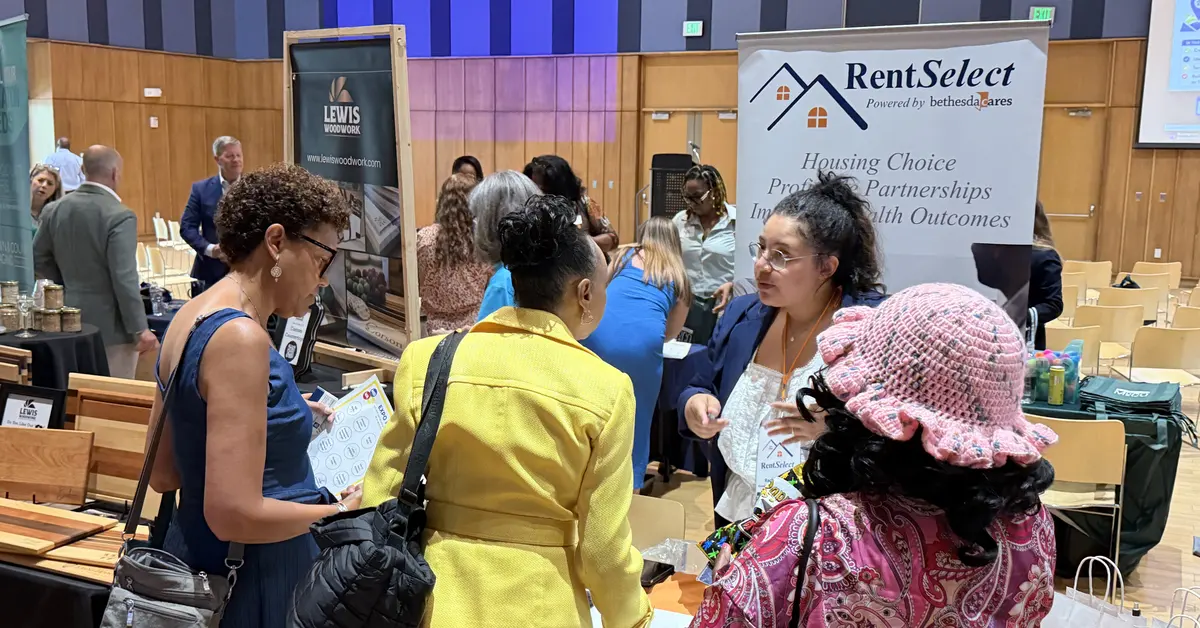
Montgomery County, MD · RentSelect · Bethesda Cares Connect
RentSelect helped cut family homelessness in Montgomery County by 47%
More than 90 landlords listed over 29,000 units for 25+ partner organizations in the first year. Family homelessness fell 47% between the 2025 and 2026 Point-in-Time Counts, alongside expanded housing subsidies.
“Financial assistance alone is not enough. Communities also need operational systems that allow housing resources, service providers, and landlords to work together efficiently.”
More case studies
Newest first. Each says what the community centralized and what changed, in the community's own figures.
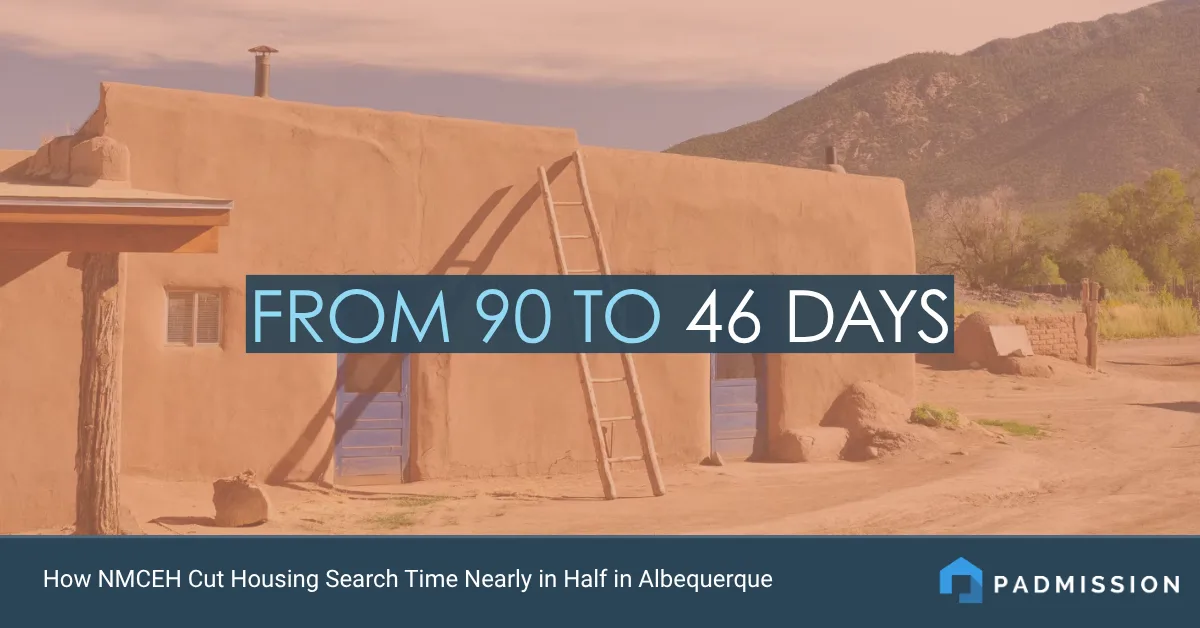
NMCEH cut Albuquerque housing search time nearly in half
Landlord Engagement Program · New Mexico Coalition to End Homelessness
Average time to locate housing fell from 90 days to 46, per HMIS data, and the landlord network now reaches all four quadrants of the city.
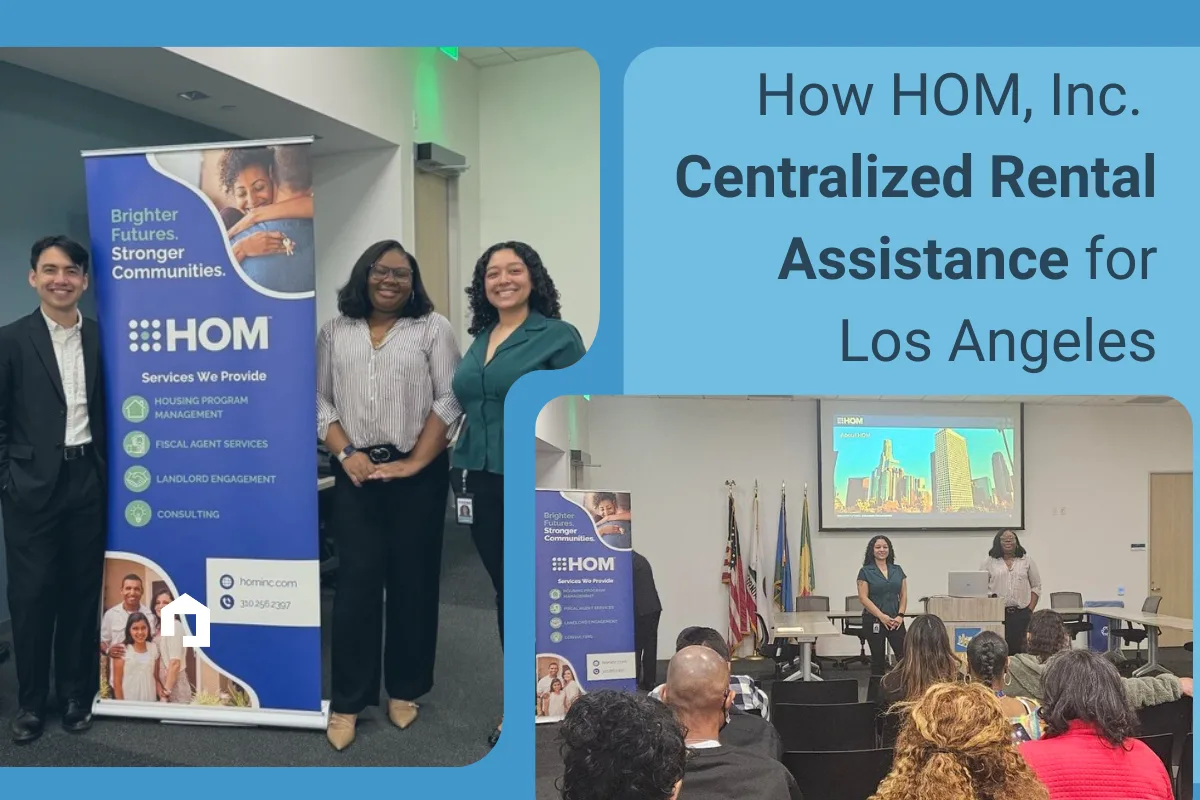
HOM, Inc. centralized rental assistance administration for 2,500 Los Angeles households
Time-Limited Subsidy program · HOM, Inc. for LAHSA
A July 1 launch, 90 days from contract execution. Landlord ACH participation rose from under 20% before launch to over 60% within three months.
CNY CHANCE hit its first-year housing goal in nine months
CNY CHANCE · Housing & Homeless Coalition of Central New York
More than 100 families were leased into permanent housing in the program's first nine months, passing its first-year placement goal.
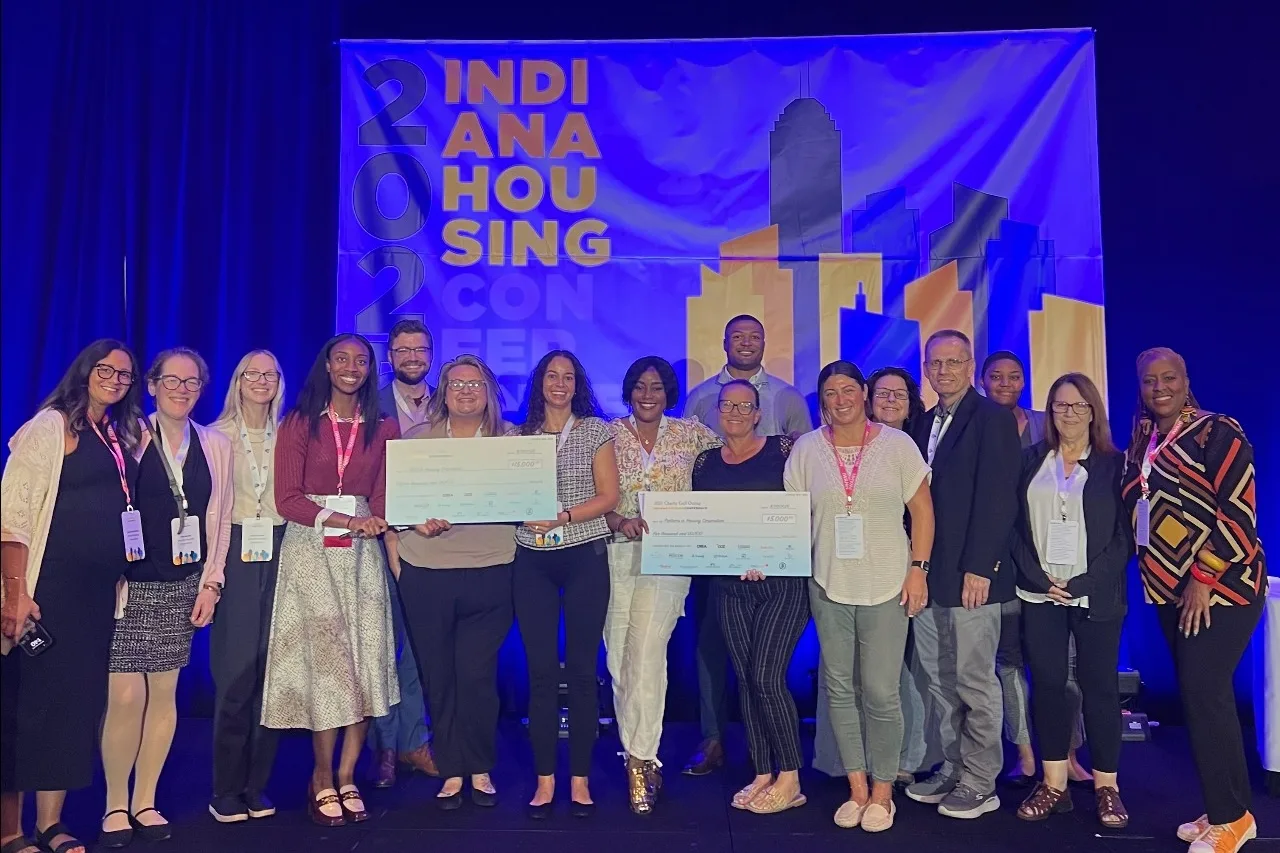
HomeNow Indy made landlord relationships an asset of the whole CoC
HomeNow Indy · RDOOR Housing Corporation
Providers work from landlords who are already onboarded and supported, and participants in the Healthy Beginnings at Home pilot moved into stable housing within weeks of enrollment.
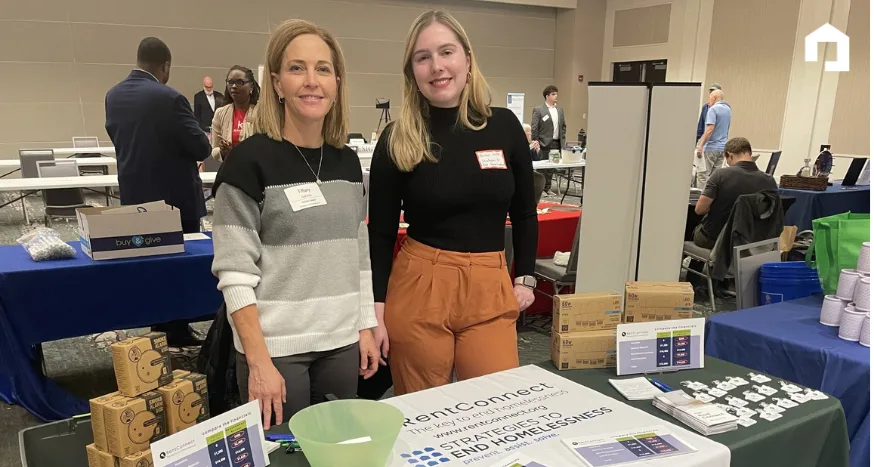
RentConnect gave every agency in the Cincinnati CoC one shared landlord network
RentConnect · Strategies to End Homelessness
Landlords now reach every agency at once, and RentConnect reports fewer days to house someone when the unit is found through the shared network.

Partnership Home turned “secret landlords” into a network the whole community shares
Partnership Home
After about six months, frontline staff began bringing the landlords they found into the shared system for the whole community to use.
The stories side by side
Who ran each one, what they centralized, and what changed, as each community reports it.
| Community | What they centralized | What changed |
|---|---|---|
| Montgomery County, MD RentSelect · Bethesda Cares Connect | What they centralized Landlord recruitment and one countywide housing inventory, in place of each agency recruiting landlords on its own | What changed More than 90 landlords listed over 29,000 units for 25+ partner organizations in the first year. Family homelessness fell 47% between the 2025 and 2026 Point-in-Time Counts, alongside expanded housing subsidies. |
| Albuquerque, NM Landlord Engagement Program · New Mexico Coalition to End Homelessness Connect | What they centralized A vetted landlord network and shared housing search for the 15 agencies administering PSH and RRH vouchers, built from nothing in August 2024 | What changed Average time to locate housing fell from 90 days to 46, per HMIS data, and the landlord network now reaches all four quadrants of the city. |
| Los Angeles, CA Time-Limited Subsidy program · HOM, Inc. for LAHSA Journey | What they centralized Payments, landlord management and compliance for the rapid rehousing providers that opted in, run by one fiscal agent instead of each provider | What changed A July 1 launch, 90 days from contract execution. Landlord ACH participation rose from under 20% before launch to over 60% within three months. |
| Syracuse, NY CNY CHANCE · Housing & Homeless Coalition of Central New York Connect | What they centralized Landlord engagement as a CoC-level function, with Housing Locators keeping one shared inventory for case managers across NY-505 | What changed More than 100 families were leased into permanent housing in the program's first nine months, passing its first-year placement goal. |
| Indianapolis, IN HomeNow Indy · RDOOR Housing Corporation Connect | What they centralized Landlord cultivation, onboarding and support, run by one Housing Acquisition team on behalf of every provider in the CoC | What changed Providers work from landlords who are already onboarded and supported, and participants in the Healthy Beginnings at Home pilot moved into stable housing within weeks of enrollment. |
| Cincinnati, OH RentConnect · Strategies to End Homelessness Connect | What they centralized Landlord relationships and unit listings for the Hamilton County/Cincinnati CoC, whose lead agency partners with 30 local organizations | What changed Landlords now reach every agency at once, and RentConnect reports fewer days to house someone when the unit is found through the shared network. |
| Tarrant County, TX Partnership Home Connect | What they centralized Property engagement for the TX-601 CoC, so landlord relationships stopped belonging to individual staff | What changed After about six months, frontline staff began bringing the landlords they found into the shared system for the whole community to use. |
What the stories have in common
Every story here is a real community, named, describing work it actually did. None of them is a testimonial written for a brochure: the quotes come from the people who ran the implementation, and the numbers are theirs.
The pattern that recurs is centralization — one landlord engagement service, one housing search, or one rental assistance administration function operating across providers that previously each ran their own. What differs is the starting point, the funding, and the politics of getting several agencies to share a process.
If you are weighing the same move, these are the closest thing to a reference call you can read at your desk.
Every community here made the same decision: run the work once, for everyone — a landlord engagement team, a shared housing search, a fiscal agent — instead of once per agency. The software supports that decision. It does not make it.
Common questions
Which communities use Padmission?
Continuums of Care, housing authorities and nonprofit providers in 23 states use Padmission. The case studies here name the communities and the organizations that ran the work, including Bethesda Cares in Montgomery County, Maryland, the New Mexico Coalition to End Homelessness in Albuquerque, and HOM, Inc. in Los Angeles.
What results have communities reported?
Each story states its own results rather than an average. NMCEH cut average housing search time in Albuquerque from 90 days to 46, per HMIS data. CNY CHANCE leased more than 100 families into permanent housing in its first nine months. In Los Angeles, landlord ACH participation rose from under 20% to over 60% within three months of HOM, Inc.'s launch. RentSelect brought more than 90 landlords and over 29,000 units into one shared inventory in its first year.
Are the outcomes caused by Padmission software?
No, and none of the stories claims they are. Each result belongs to the community that produced it: its staff, its partners, its funding and the operating model it chose. Montgomery County's 47% drop in family homelessness followed several coordinated investments, including expanded housing subsidies. Software carries part of the operational load, such as a shared record and a current inventory, while decisions about eligibility, placement and choice stay with people.
What did it take to centralize?
Dedicated staff and new money, in every case. RentSelect put more than $250,000 in new resources into landlord incentives, staffing, software and a contracted rental agent in its first year. NMCEH runs its program with three landlord liaisons serving 15 agencies. HOM, Inc. migrated each provider's tenancy and payment data and launched within 90 days of contract execution.
Are these written by Padmission or by the community?
Padmission writes each story from interviews with the people who ran the work. The quotes are theirs and so are the numbers. Nothing is composed for a brochure, and no example describes an organization that did not agree to be named.
Landlord engagement
How Continuums recruit, track and keep the property owners who lease to people leaving homelessness — one relationship record for the whole community rather than a spreadsheet per agency.
Explore landlord engagementHousing search
How a Continuum runs housing search across providers — a live list of available units, navigators who can act on it, and participants choosing where they live rather than being placed.
Explore housing searchHousing navigation
The coordinated work that carries a household from referral to lease-up — who owns each handoff, what information moves with the household, and where the time actually goes.
Explore housing navigationHousing program administration
Eligibility, income examinations, rent calculation, inspections, payments and the record that has to hold up afterward — the work between the tools, and who keeps it correct when the rules change.
Explore housing program administrationTalk to a community already doing this
We can put you in touch with a Continuum running the thing you are considering, and walk through what the first ninety days looked like.