Running a housing program is mostly administration
Eligibility, income examinations, rent calculation, inspections, payments and the record that has to hold up afterward — the work between the tools, and who keeps it correct when the rules change.
Most of what a rental assistance program does every day is administrative. A household is determined eligible, income is examined and re-examined, a contribution is calculated, a unit is inspected, a payment goes out, and a record is kept that a monitor can follow two years later. None of it is glamorous and all of it is auditable.
It is also the part that moves. HOTMA compliance for CPD-funded programs lands January 1, 2027, HUD publishes revised inflation-adjusted values every August for the following year, and NSPIRE reaches CoC and ESG on October 1, 2026. Each of those is a release: something to interpret, implement, test, and document before a fixed date.
The writing below is about that work — which rule applies to which funding stream, what a defensible record actually contains, and what it costs to carry the whole operation on tools that were never designed to talk to each other.
What administering a household actually involves
Each step has its own rule, its own evidence, and its own way of going wrong. The cost is rarely in any one of them — it is in moving between them.
Start here
The pieces worth reading first.

Permanent housing assistance is the most effective tool we have to end homelessness. The challenge today isn't commitment or expertise — it's the absence of systems built to carry the work as it actually exists.
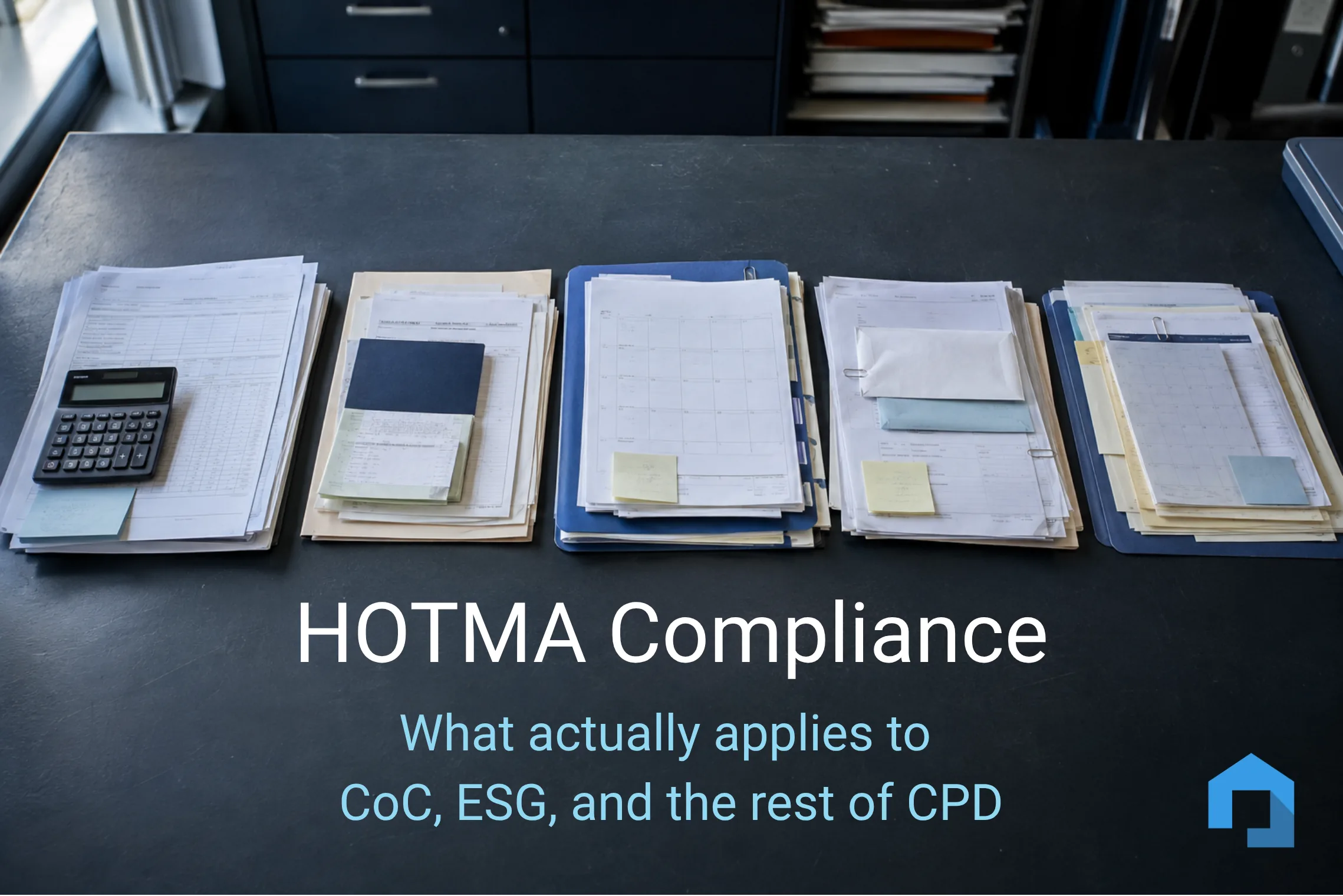
Most of what your team has read or been told about HOTMA was written for public housing authorities administering the Housing Choice Voucher program and public housing. A good deal of it does not apply to a CoC or ESG-assisted household. Acting as though it does can cost a household its assistance.

When dozens of providers each solve the same compliance-heavy problems independently, fragmentation surfaces at the system level. Centralized rental assistance administration is the structural response.
A compliance calendar is a release schedule. Every applicable date on it is an interpretation, an update, a test, and a record that has to hold up afterward — carried by people who already have other jobs.
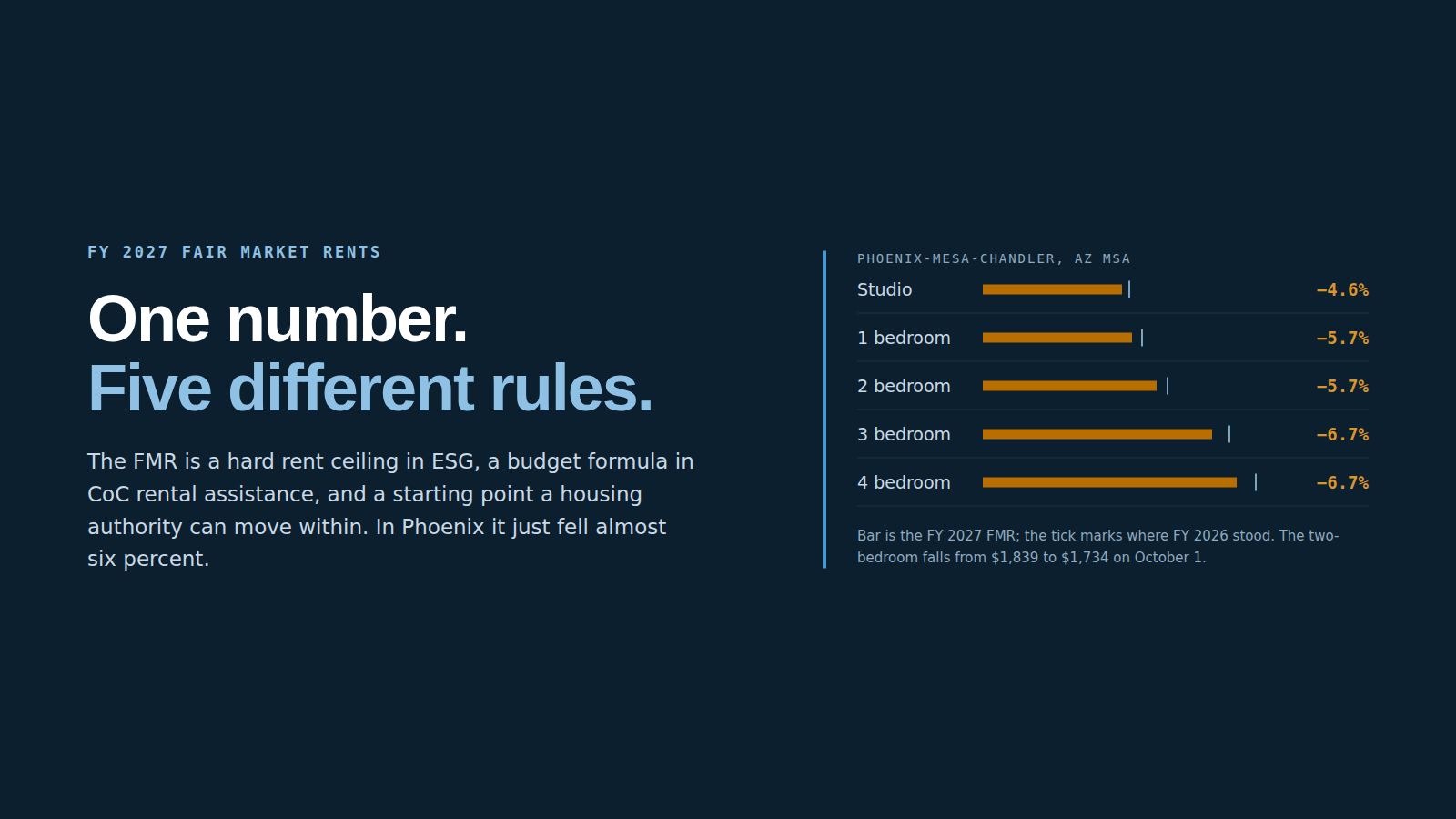
HUD published the FY 2027 Fair Market Rents today. ESG treats them as a hard ceiling. CoC rental assistance uses them to size the grant. HCV can price by ZIP. About a third of the country lives in an area where the FMR went down. Phoenix is down almost six percent, which makes the difference easy to see.
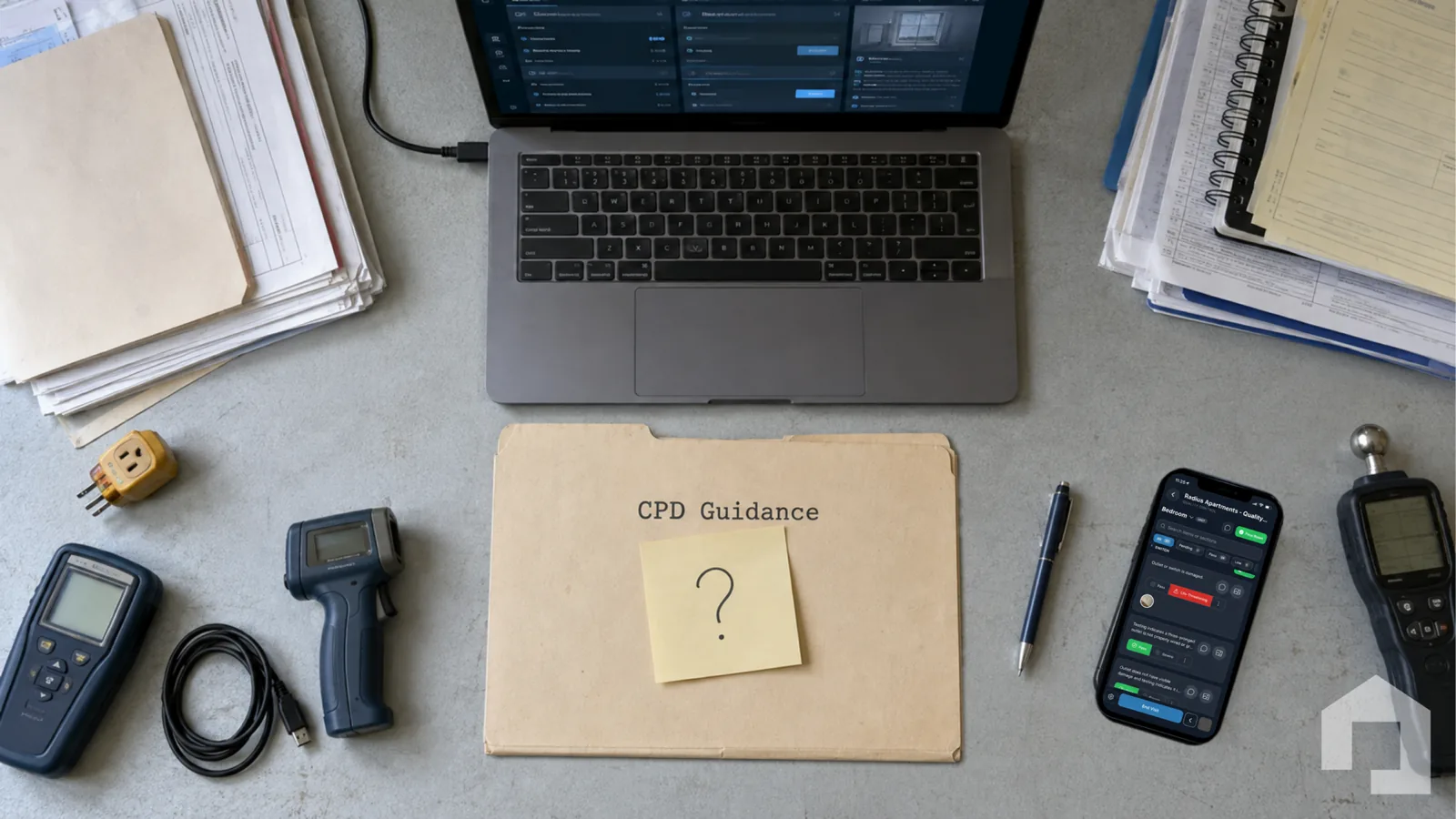
HUD CoC and ESG programs face an October 1, 2026 compliance date, preparing against a standard written for the Housing Choice Voucher program. That is a governance problem before it is an inspection problem.
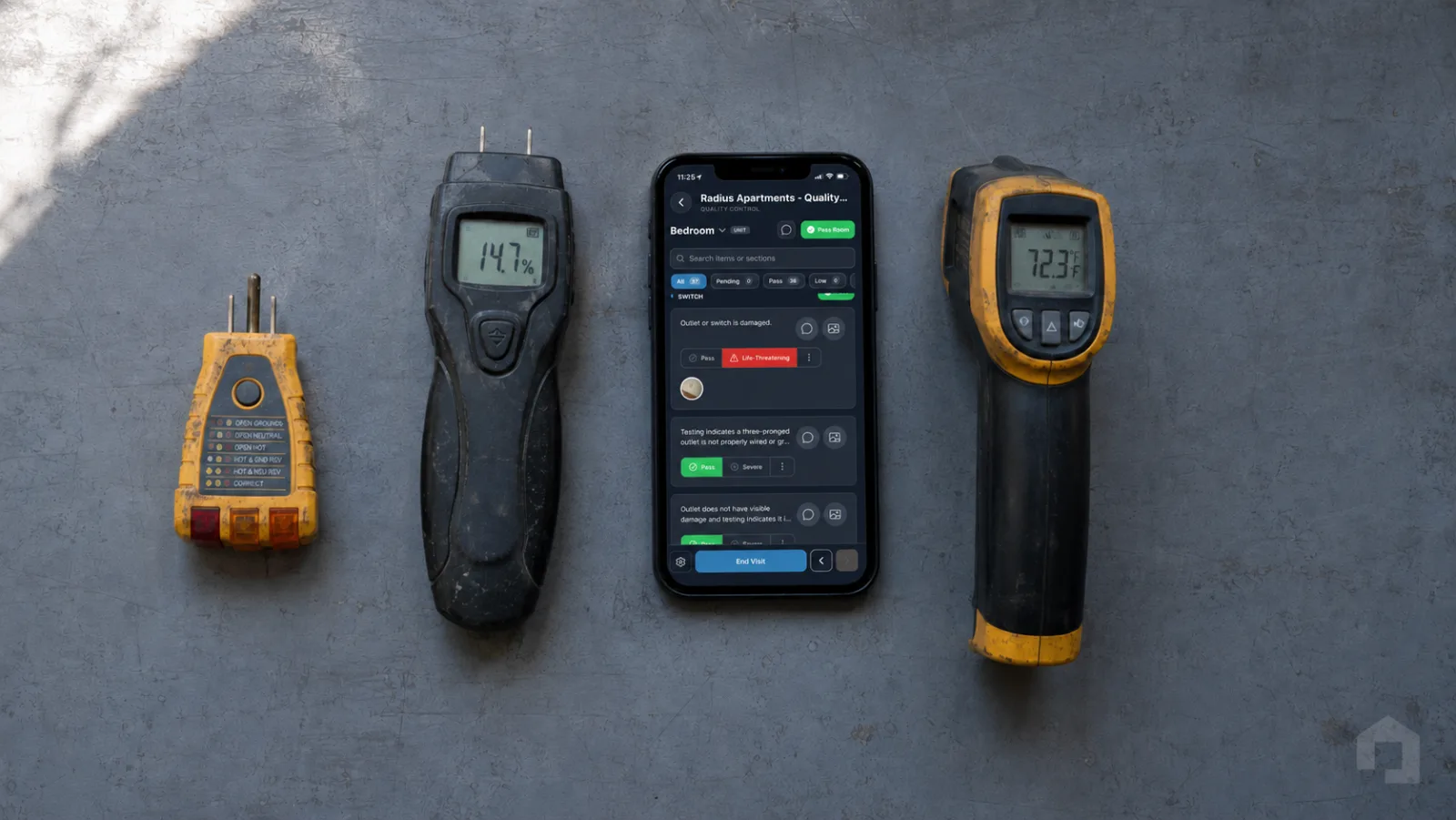
Under HQS, whether a unit passed often depended on who inspected it. Under NSPIRE the standard decides — and it decides differently than the HQS checklist did, with more spaces and aspects to check.
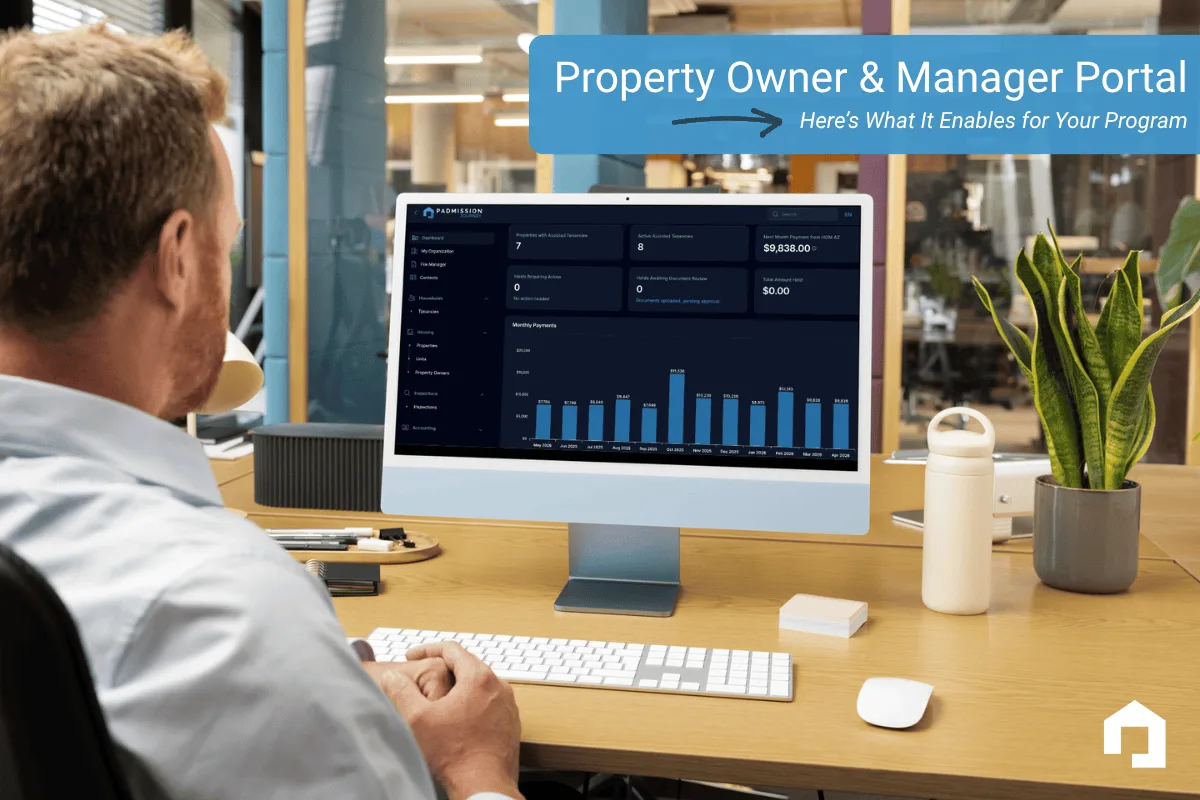
Property owners without payment visibility call your staff. The Journey Property Owner & Manager Portal changes where that inquiry goes first.
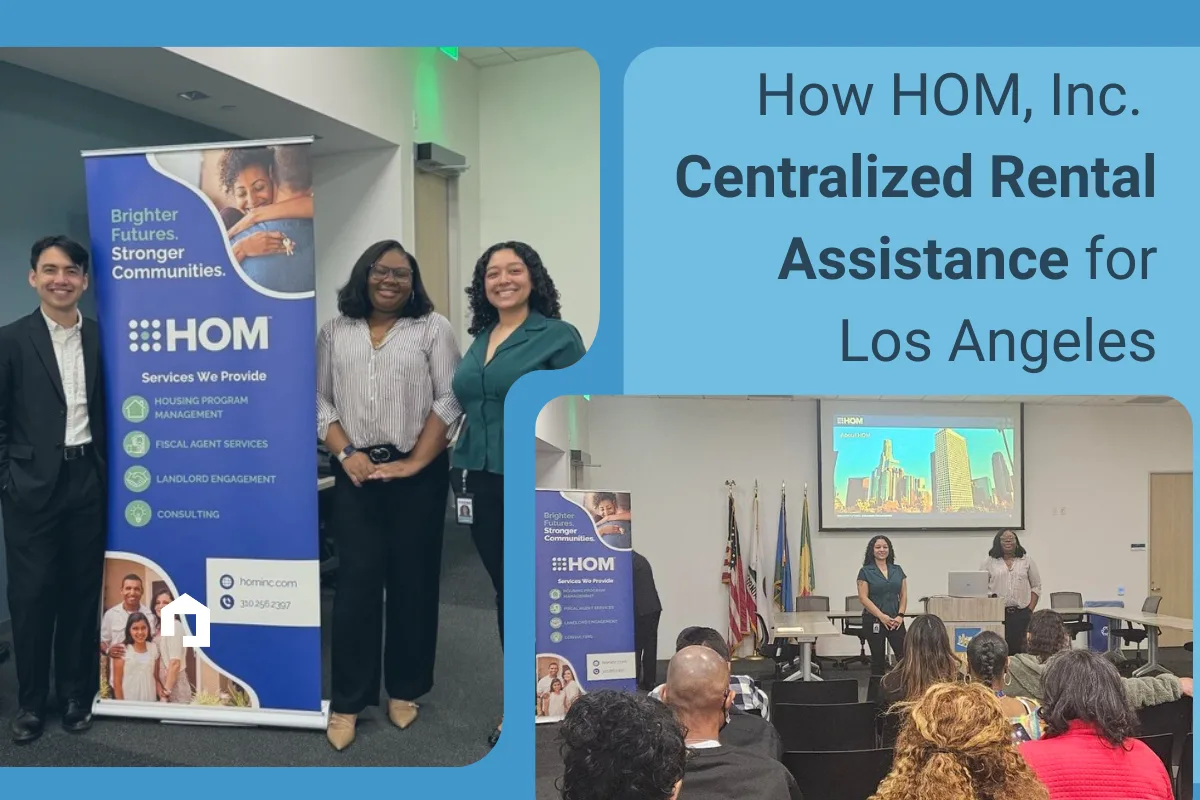
Unlocked covers what changes when housing assistance programs are built on a consistent operational standard — not what communities intend, but what the work actually looks like once the structure is in place.
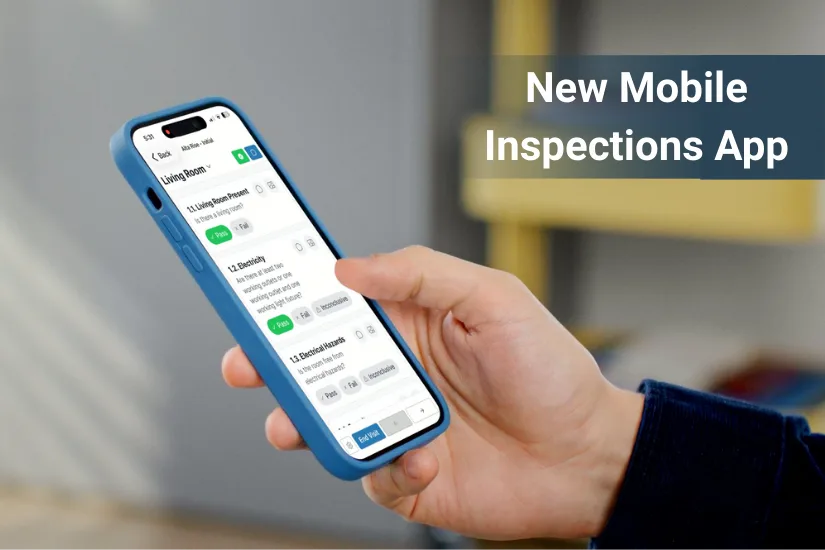
Inspection teams can complete required unit inspections in the field, sync results back to Journey, capture photos, and schedule reinspections — without leaving the platform.

Padmission Connect is the software local agencies use to enable owners and operators to offer their units to rental assistance program tenants — here's how those partnerships work.

Built on three decades of housing program administration experience, Journey delivers end-to-end program execution and the analytics to improve outcomes.

New unit-level functionality lets housing locators track inspections, hold units, and align with HUD guidance on ESG-CV landlord incentives.
Common questions
What does housing program administration involve?
Determining eligibility, examining income, calculating the household contribution, inspecting the unit, issuing payment, and keeping a record a monitor can follow. Each step has its own rule, and which rule applies depends on the funding stream paying for the unit.
Is housing program administration software the same as an HMIS?
No. An HMIS records who is served and reports on system performance. Administration software runs the transactions — eligibility determinations, rent calculations, inspections and payments — and holds the evidence behind each one. Most communities need both.
How often do the rules change?
Continually, on dates HUD publishes in advance. HOTMA compliance for CPD-funded programs lands January 1, 2027, HUD publishes revised inflation-adjusted values each August for the following year, and NSPIRE reaches CoC and ESG on October 1, 2026.
Can one system administer programs with different funding streams?
It has to. A CoC Permanent Supportive Housing project and a HOPWA housing activity follow different asset and rent rules, so the system must apply the rule that belongs to the program paying for each unit rather than one rule everywhere.
HOTMA compliance
Which HOTMA provisions actually reach CoC, ESG, HOPWA, HOME and HTF — the applicability question that has to be settled before any of the income and asset changes can be implemented.
Go to hotma complianceNSPIRE inspections
HUD's inspection standard is replacing HQS program by program. What it looks for, how it scores, when each program has to comply, and what it means to run it in the field. Padmission Inspections is the NSPIRE inspection app built for these programs.
Go to nspire inspectionsCase studies
Continuums of Care and housing agencies on how they centralized landlord engagement, housing search or rental assistance administration: what it took, and what changed afterward. Named, quoted, and specific.
Go to case studiesSee what Journey carries
Bring the workflow you use today, including the steps that happen outside your software. We will walk through what Journey would take on and what your team would keep.