Landlord engagement is a system, not a phone list
How Continuums recruit, track and keep the property owners who lease to people leaving homelessness — one relationship record for the whole community rather than a spreadsheet per agency.
In most communities landlord engagement starts and ends with whoever picked up the phone last. One agency knows a property manager, another does not, and when that staffer leaves the relationship leaves with them. The units are real; the memory of them is not.
Centralizing it changes what a landlord experiences. They are recruited once, not by five agencies in a month. Their units are visible to every navigator in the CoC at the same moment. Incentives, damage claims and inspections are handled through one process, so the answer to "who do I call" does not depend on which participant they housed.
That is also what makes the relationship a system asset instead of an individual one — which matters most on the day a funding stream ends, a program changes hands, or the person who built the network takes another job.
The landlord lifecycle, end to end
Engagement is not the first call. It is a sequence, and most communities lose landlords at one specific step in it rather than across the board.
Start here
The pieces worth reading first.
A structural guide to building scalable housing access — how CoCs can consolidate fragmented outreach into unified landlord engagement infrastructure.

As communities scale Permanent Supportive Housing and Rapid Rehousing, there's a clear opportunity to align landlord engagement and housing search at the system level.
How HOM, Inc. surveyed landlords on signing bonuses, risk mitigation, screening flexibility, and unit reservations — and what the results mean for ESG-CV Rapid Rehousing.
A landlord recruited by one agency is a contact. The same landlord recruited into a shared system is community infrastructure that survives staffing changes.
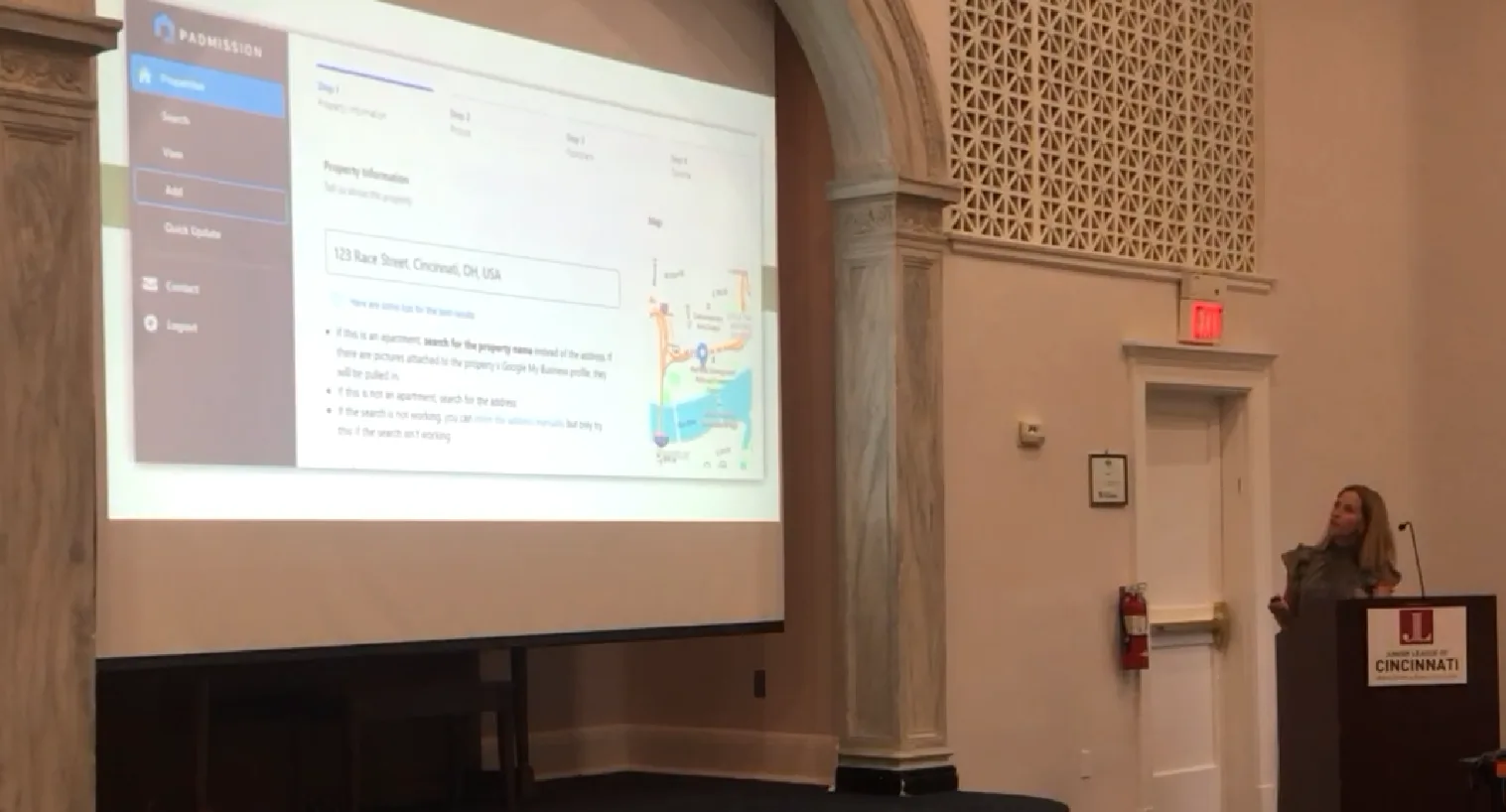
Owners see the results of a program's work directly. Regular, honest contact prepares them for big changes, sets how they work with the program, and turns a list of property contacts into partners.
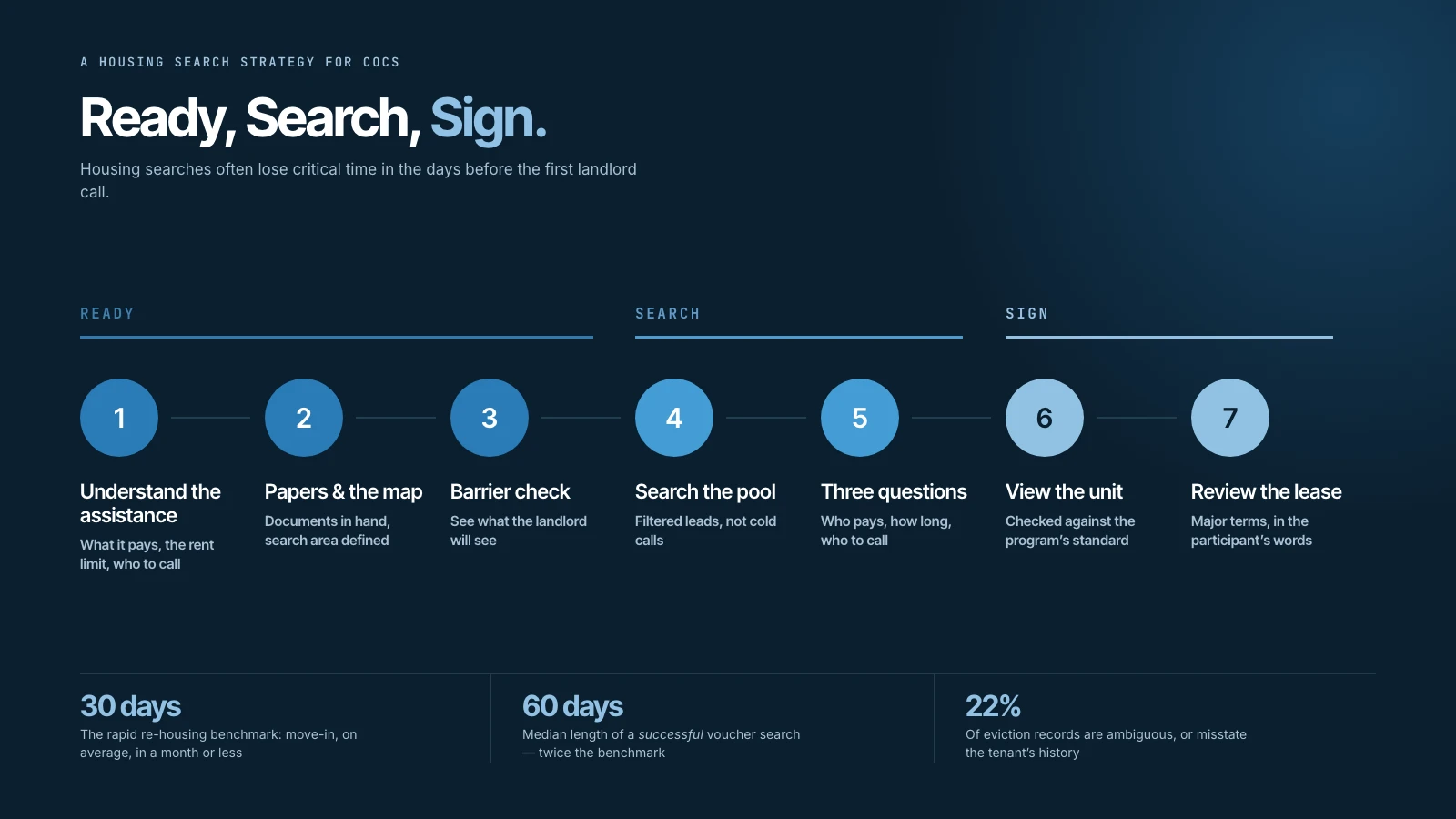
Housing searches often lose critical time in the days before the first landlord call. A structured housing search strategy for CoCs puts readiness ahead of listings, so participants begin the search with the information, documents, housing options, and support needed to act on an available unit.
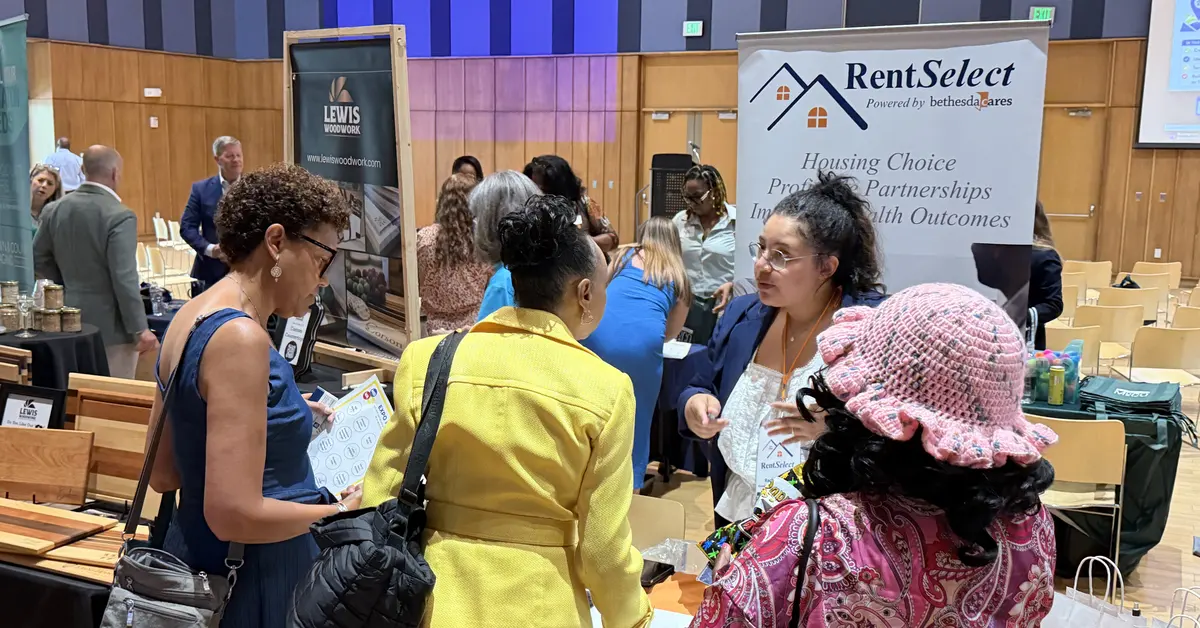
In its first year, RentSelect brought more than 90 landlords and 29,000 units onto one shared platform serving 25+ partner agencies — so when new subsidies arrived, the landlord network was already there.
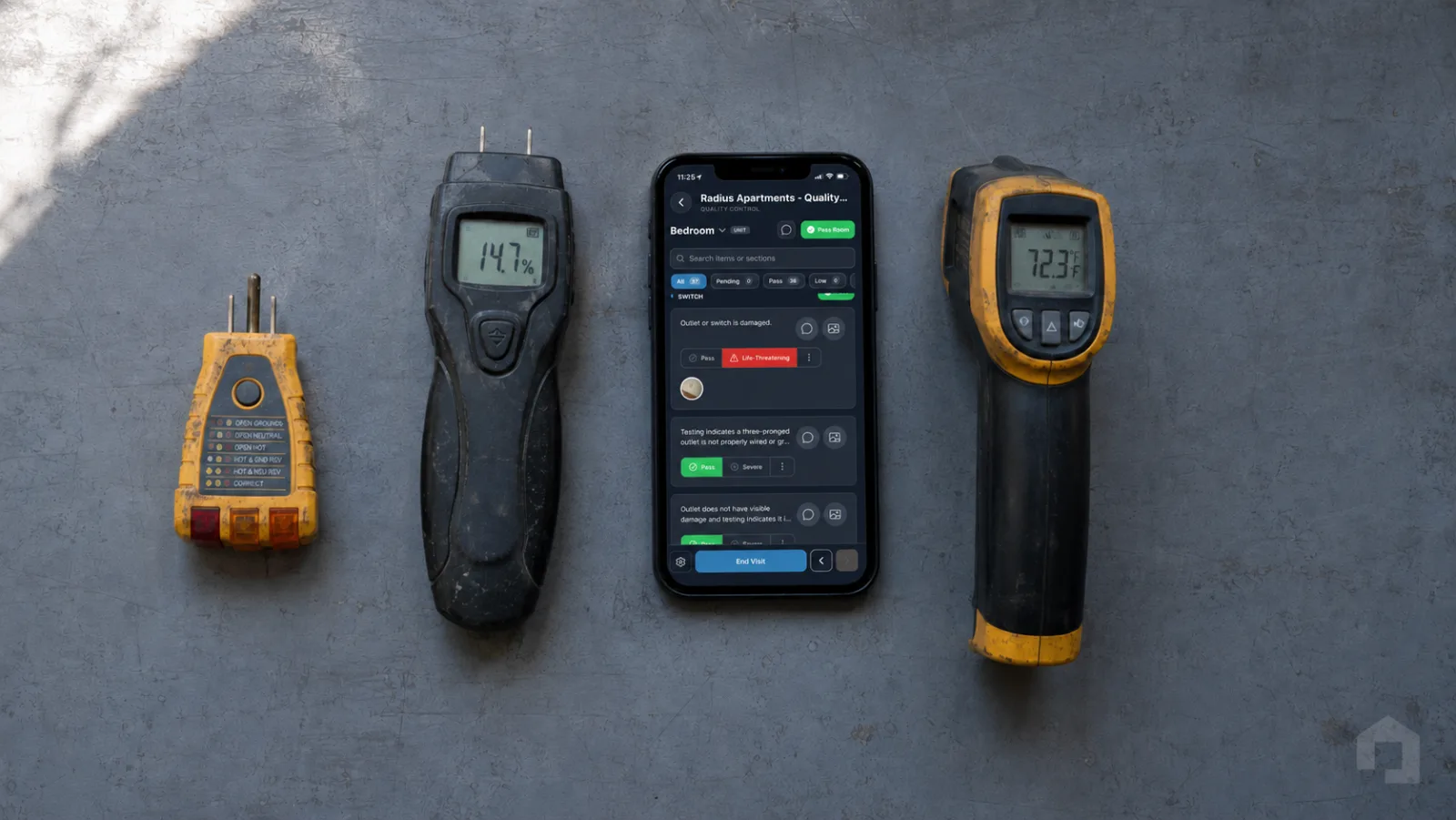
Under HQS, whether a unit passed often depended on who inspected it. Under NSPIRE the standard decides — and it decides differently than the HQS checklist did, with more spaces and aspects to check.
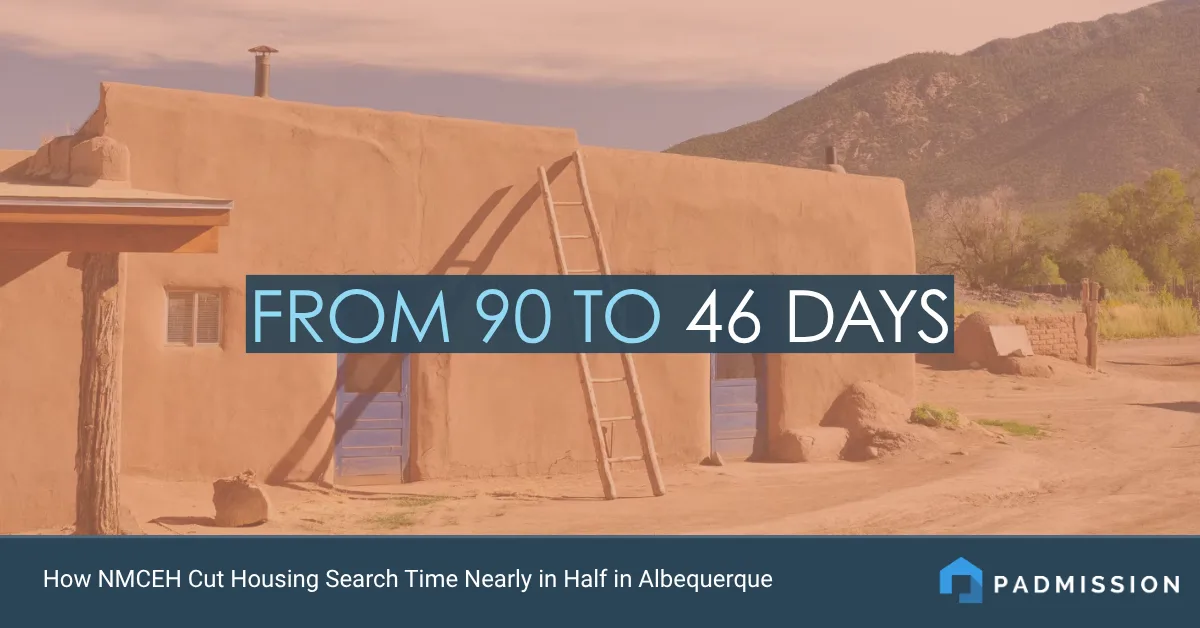
Starting from zero in August 2024, NMCEH built a vetted landlord network serving 15 agencies and more than 100 case managers — and cut average housing search time nearly in half.
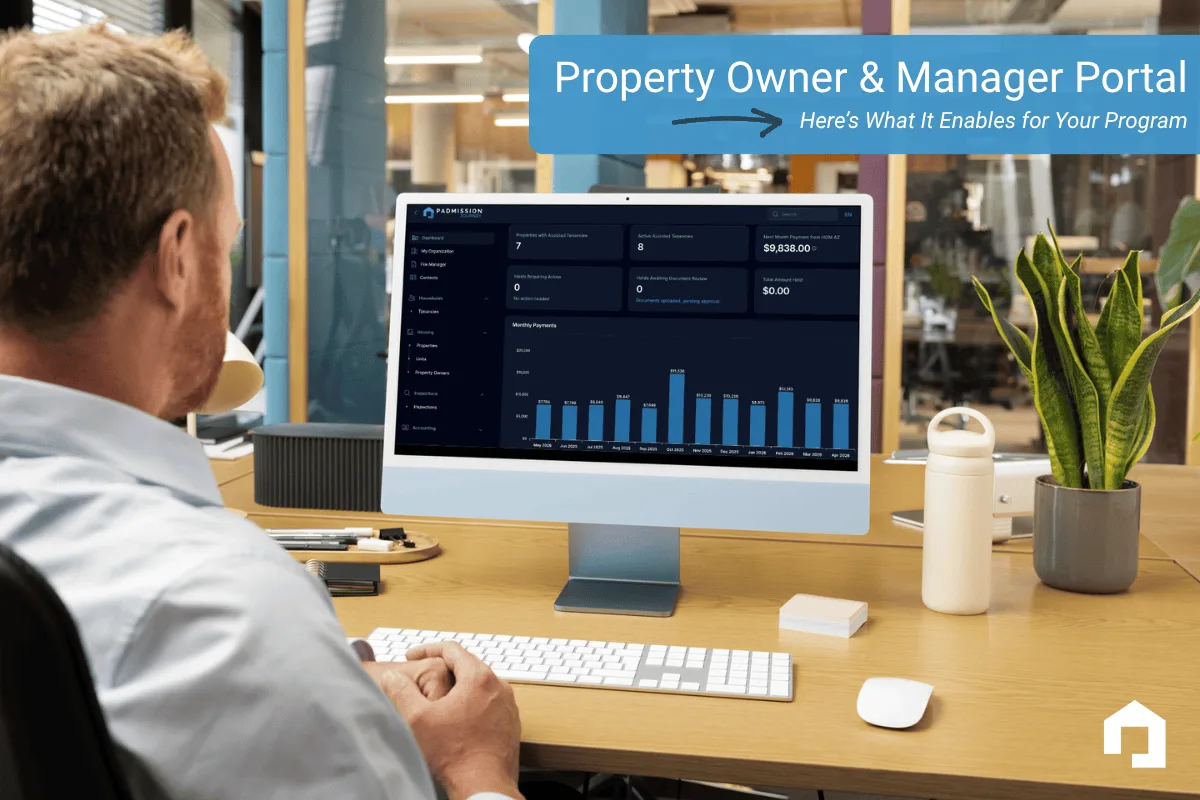
Property owners without payment visibility call your staff. The Journey Property Owner & Manager Portal changes where that inquiry goes first.
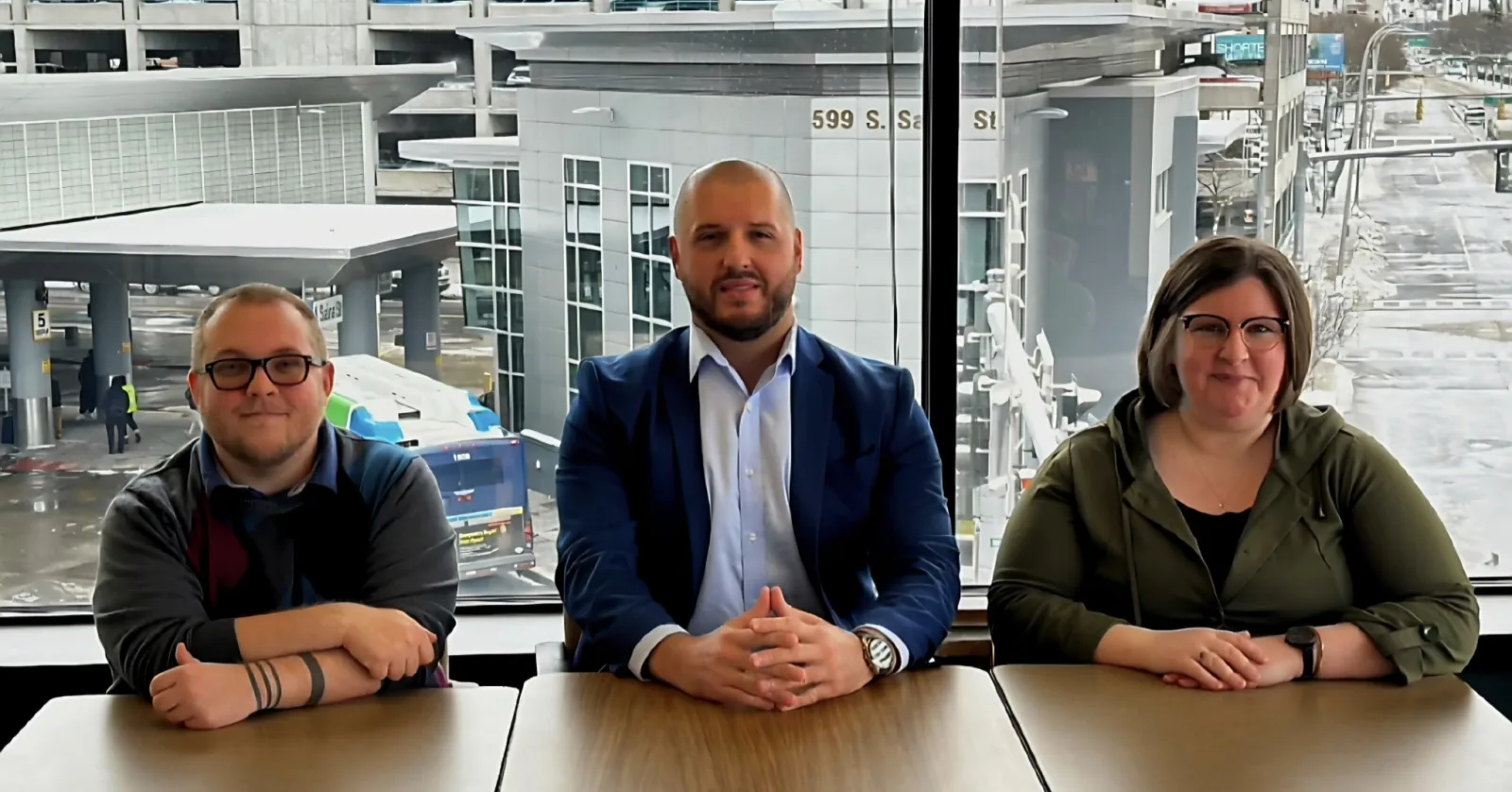
The CNY CHANCE program, powered by Padmission Connect, surpassed its first-year housing placement goal in just nine months through structured system-level coordination.
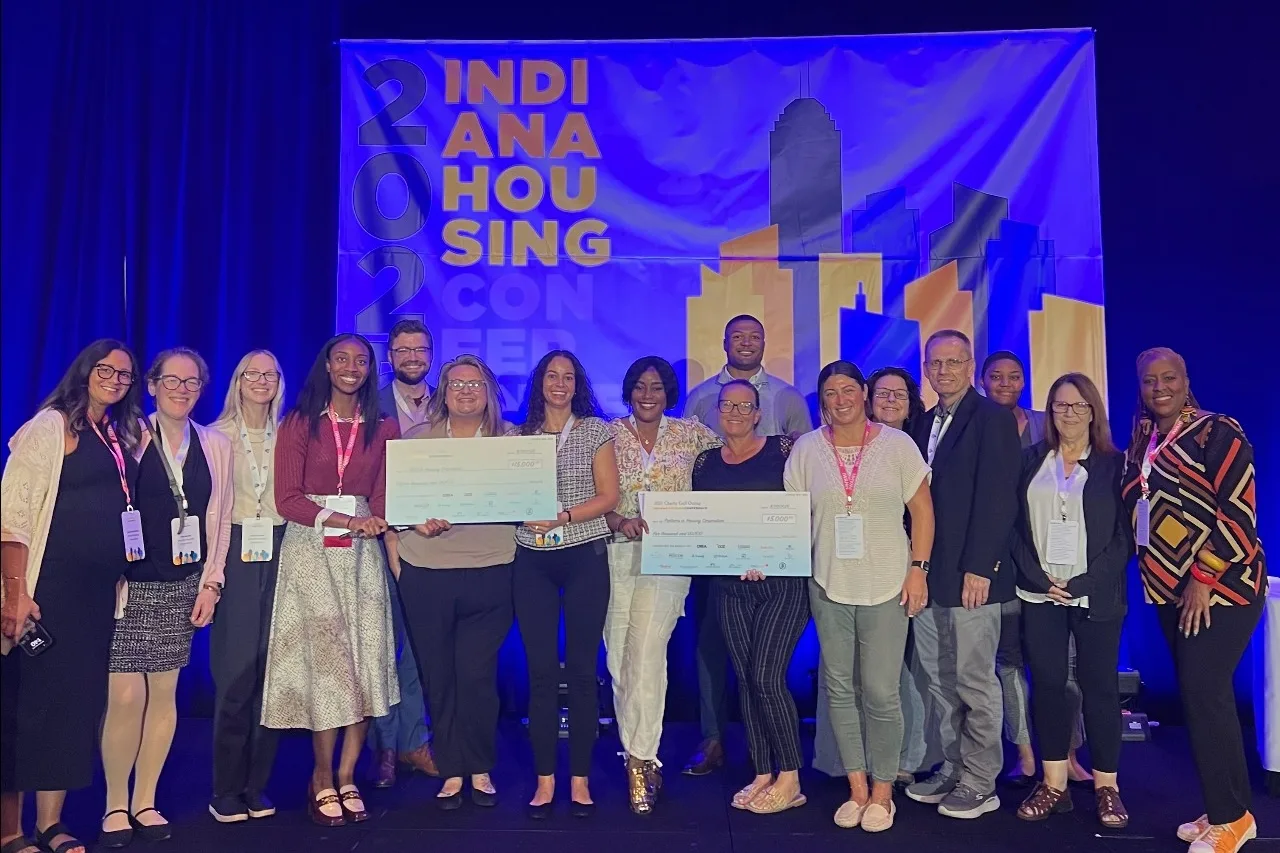
Building trust, system capacity, and faster rehousing through shared infrastructure.
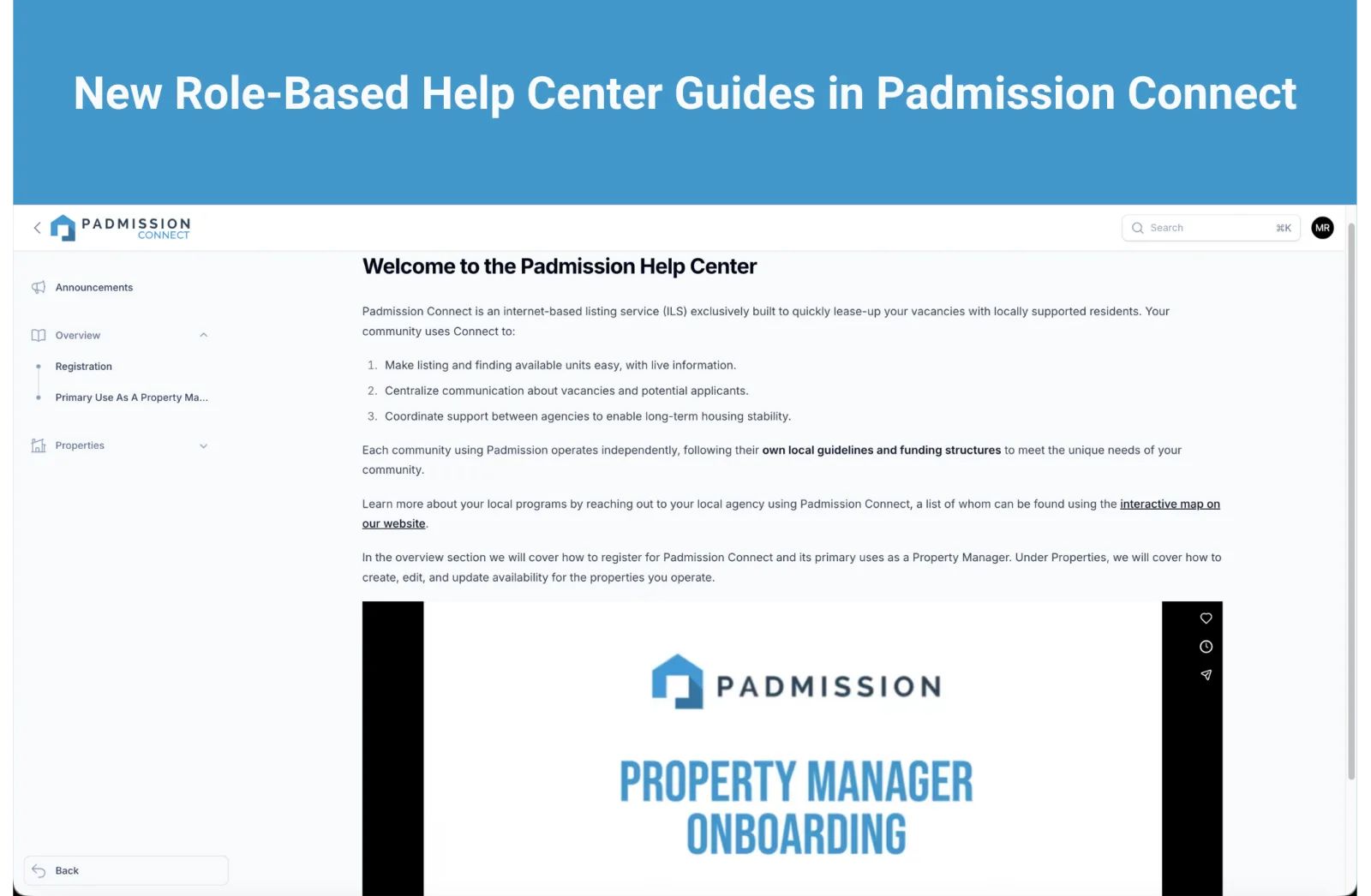
When guidance is fragmented, systems slow down. New role-based Help Center Guides in Padmission Connect put role-specific support inside the workflow itself.
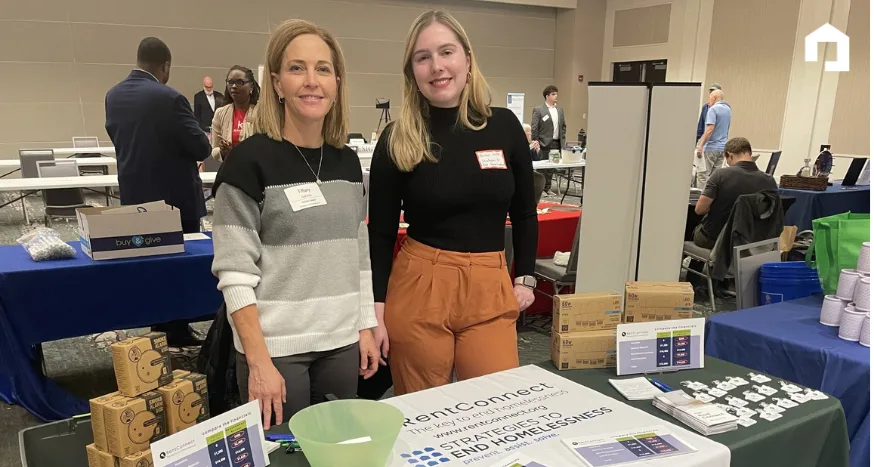
How RentConnect uses Padmission Connect to coordinate landlord relationships, unit access, and housing search across 30 partner agencies.
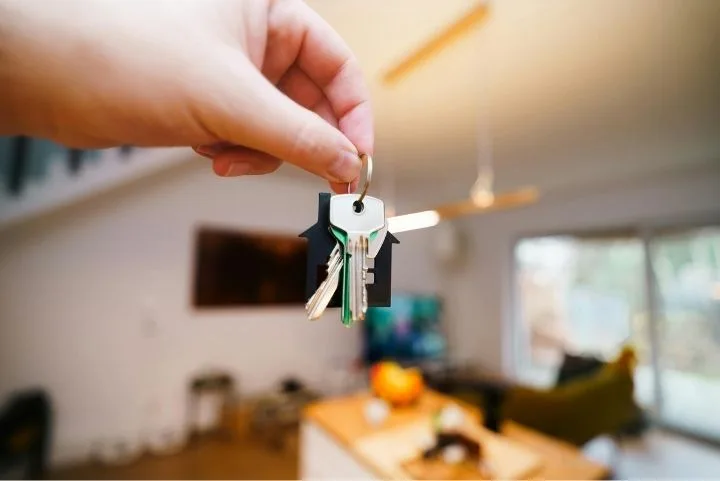
Padmission Connect is the software local agencies use to enable owners and operators to offer their units to rental assistance program tenants — here's how those partnerships work.

In most communities, landlord engagement starts and ends with whoever picked up the phone last. Partnership Home recognized this as a system design problem — and built a centralized model where property relationships became system assets instead of individual ones.
HUD's Special NOFO calls for centralized, system-level landlord engagement. Here's how Padmission helps CoCs build it.

New unit-level functionality lets housing locators track inspections, hold units, and align with HUD guidance on ESG-CV landlord incentives.

Tenancy applications, landlord screening criteria, W-9s, MOUs — exchange and manage every housing search and lease-up document directly in the app.
Common questions
What is centralized landlord engagement?
One landlord engagement function operating across every provider in a Continuum, instead of each agency recruiting and tracking its own landlords. The landlord is recruited once, their units are visible to every navigator, and the relationship belongs to the community rather than to a staff member.
How do Continuums track landlord participation?
In a shared record covering outreach, agreements, listed units, incentives, inspections and payments — so anyone can see what was already said to a landlord and what was promised, without calling the person who first met them.
What software do communities use for landlord relationship management?
Padmission Connect is the landlord engagement and housing search layer used by Continuums to run this centrally. The pieces below cover how communities structured the work before choosing any software.
How do you keep a landlord after the first placement?
Retention is decided by what happens after move-in: whether inspections are scheduled predictably, payments arrive on the effective date, and damage claims and questions have one place to go. Landlords leave over process, not over the participants.
Housing search
How a Continuum runs housing search across providers — a live list of available units, navigators who can act on it, and participants choosing where they live rather than being placed.
Go to housing searchHousing navigation
The coordinated work that carries a household from referral to lease-up — who owns each handoff, what information moves with the household, and where the time actually goes.
Go to housing navigationCase studies
Continuums of Care and housing agencies on how they centralized landlord engagement, housing search or rental assistance administration: what it took, and what changed afterward. Named, quoted, and specific.
Go to case studiesSee centralized landlord engagement
A walkthrough of how recruitment, unit availability and landlord relationships work as one shared record — and what adoption actually took in communities already running it.