Housing navigation is a workflow, not a job title
The coordinated work that carries a household from referral to lease-up — who owns each handoff, what information moves with the household, and where the time actually goes.
A household's path from referral to keys almost never belongs to one person. A case manager gathers documents, a locator finds the unit, a landlord engagement staffer holds the property relationship, an inspector clears it, and a program administrator approves the assistance. Each of them holds part of the work and none of them holds all of it.
Without an operating model that coordination runs on email, personal relationships and staff memory. Two teams pursue the same unit. A reservation expires before anyone knows an inspection was needed. A property owner asks who is responsible and gets three answers. The household waits through all of it.
Coordinated navigation makes the sequence visible: who owns each transition, what moves with the household, when an option becomes actionable, and how a barrier gets escalated without taking the decision away from the participant or the program staff. The writing below covers that workflow, and the measurement that shows where it stalls.
Where a navigation workflow spends its time
Six states, each with an owner and a handoff at its edge. A single average search time hides which one is the slow one.
Start here
The pieces worth reading first.
A structural guide to building scalable housing access — how CoCs can consolidate fragmented outreach into unified landlord engagement infrastructure.
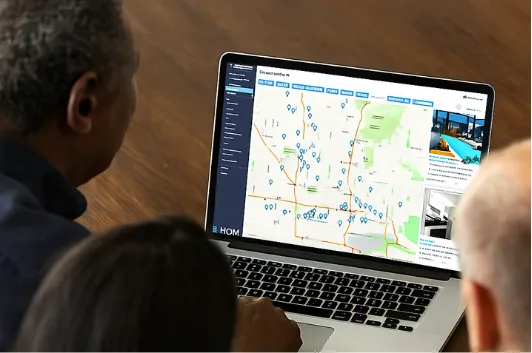
In communities across the country, Padmission Connect is helping housing programs put choice back into the hands of the people they serve.
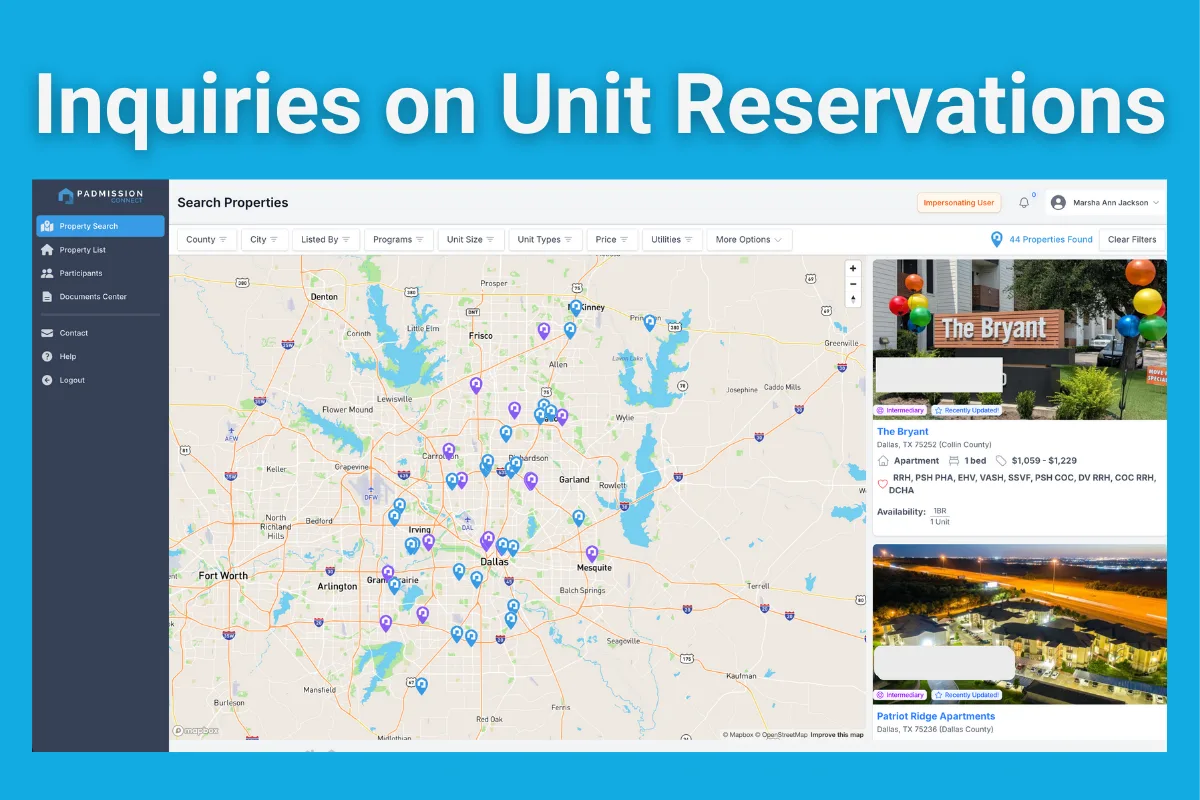
Reserved units are often the most actionable housing options available to case managers — and one of the easiest places for coordination to break down. Connect now treats reservations as shared, first-class inventory.
A single average search time is the least useful number a navigation program keeps. Break it into states and the delay stops being “the market” and becomes a document step, an inspection queue, or a handoff nobody owns.
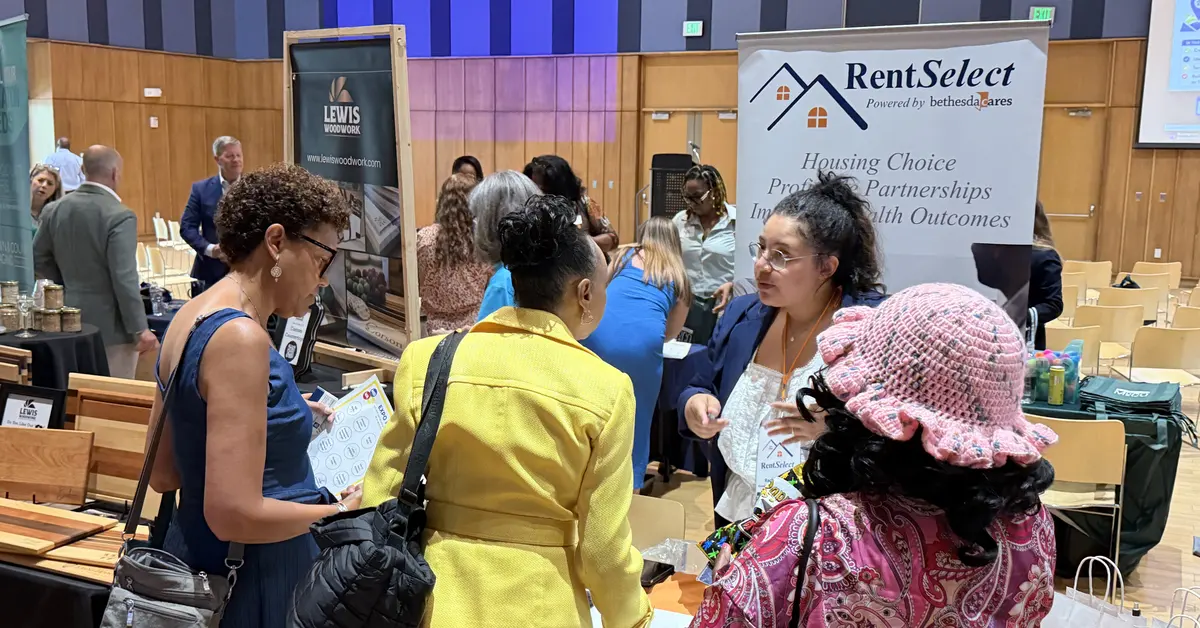
In its first year, RentSelect brought more than 90 landlords and 29,000 units onto one shared platform serving 25+ partner agencies — so when new subsidies arrived, the landlord network was already there.
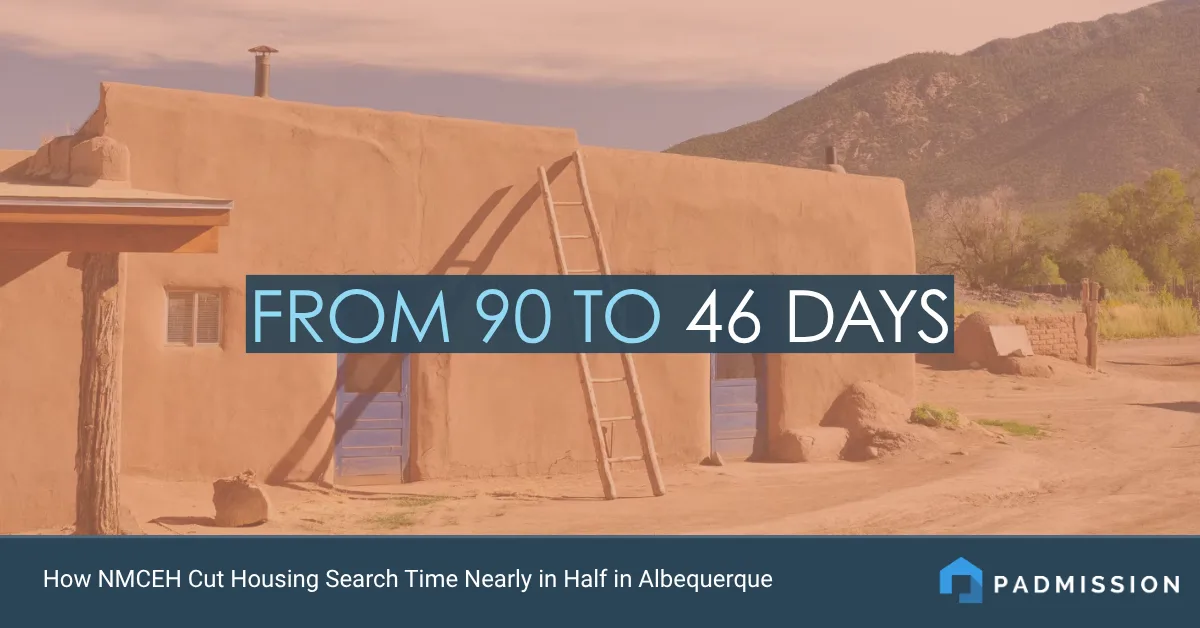
Starting from zero in August 2024, NMCEH built a vetted landlord network serving 15 agencies and more than 100 case managers — and cut average housing search time nearly in half.
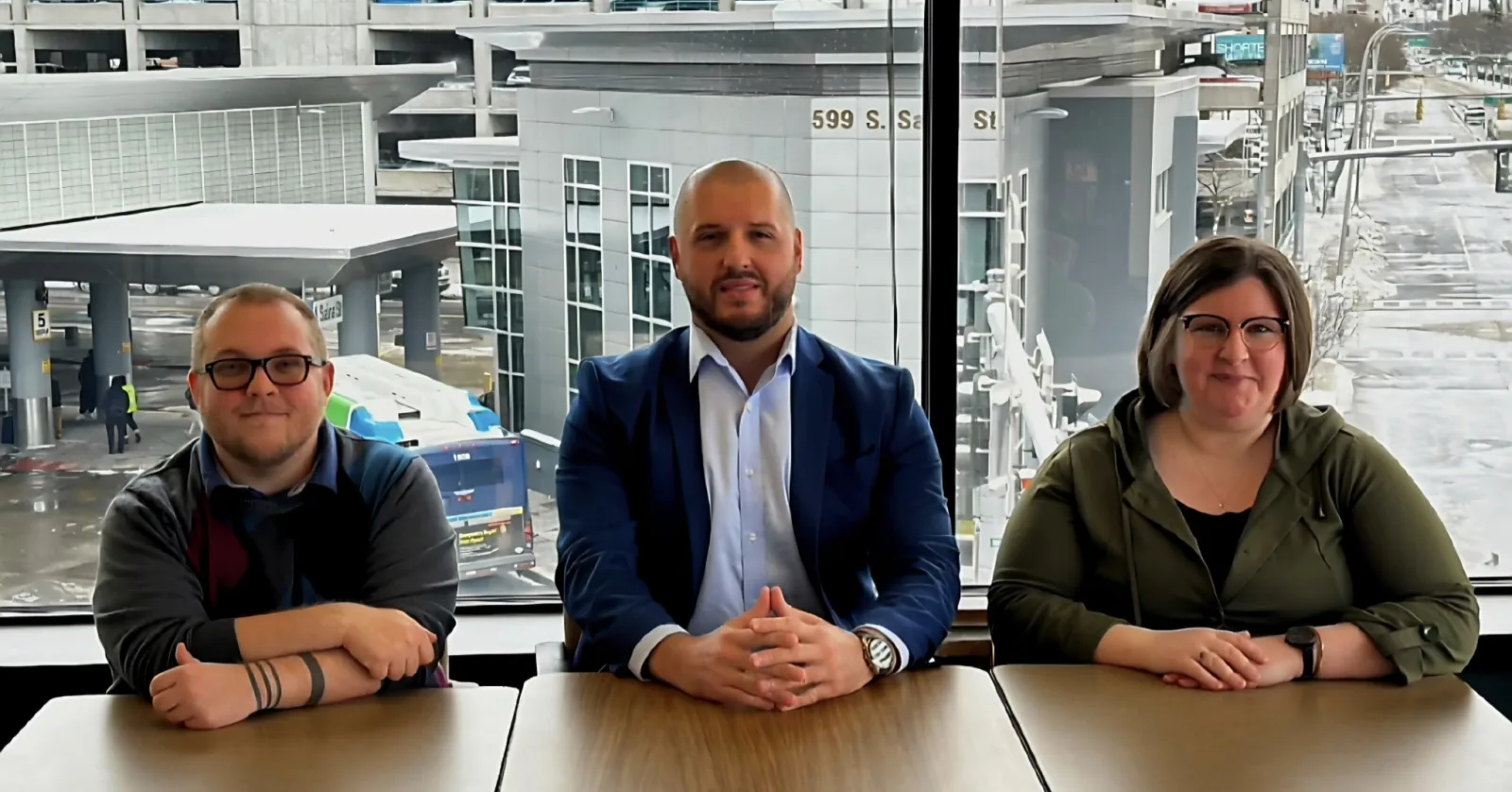
The CNY CHANCE program, powered by Padmission Connect, surpassed its first-year housing placement goal in just nine months through structured system-level coordination.
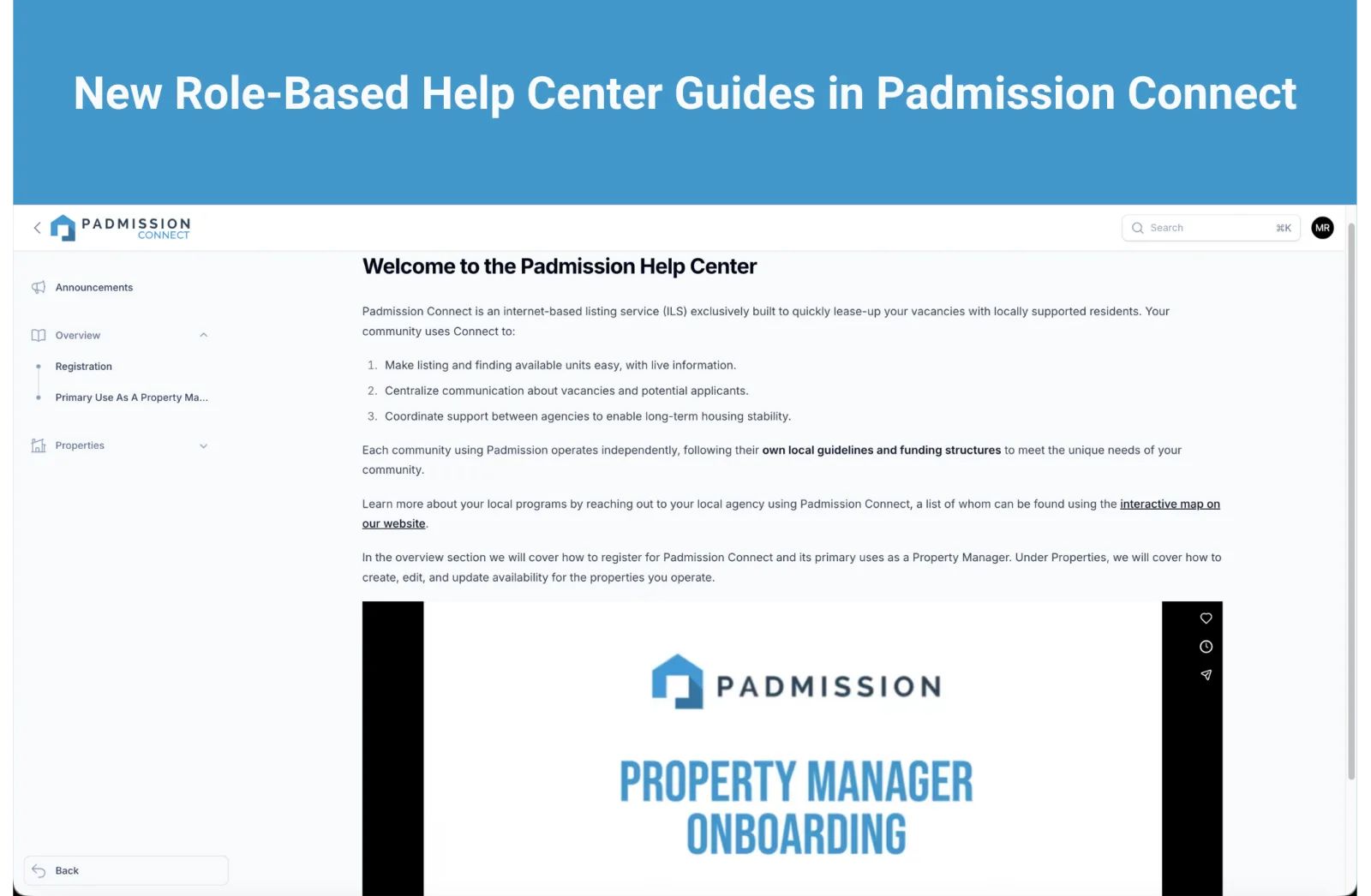
When guidance is fragmented, systems slow down. New role-based Help Center Guides in Padmission Connect put role-specific support inside the workflow itself.
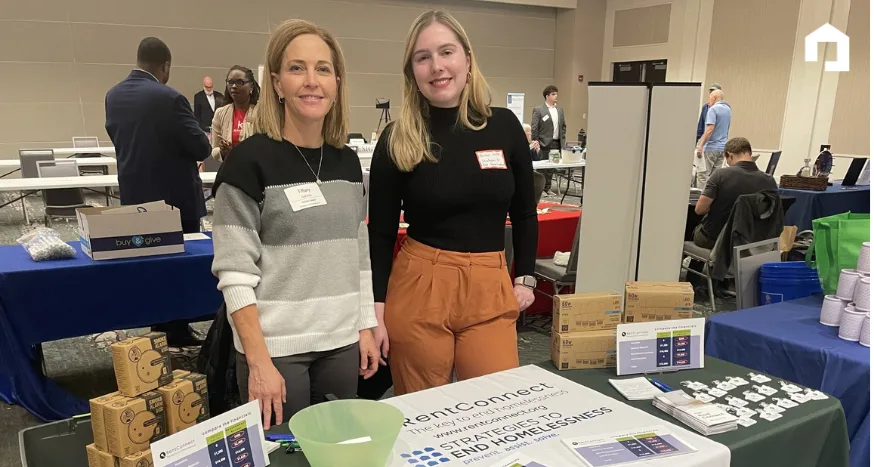
How RentConnect uses Padmission Connect to coordinate landlord relationships, unit access, and housing search across 30 partner agencies.

In most communities, landlord engagement starts and ends with whoever picked up the phone last. Partnership Home recognized this as a system design problem — and built a centralized model where property relationships became system assets instead of individual ones.
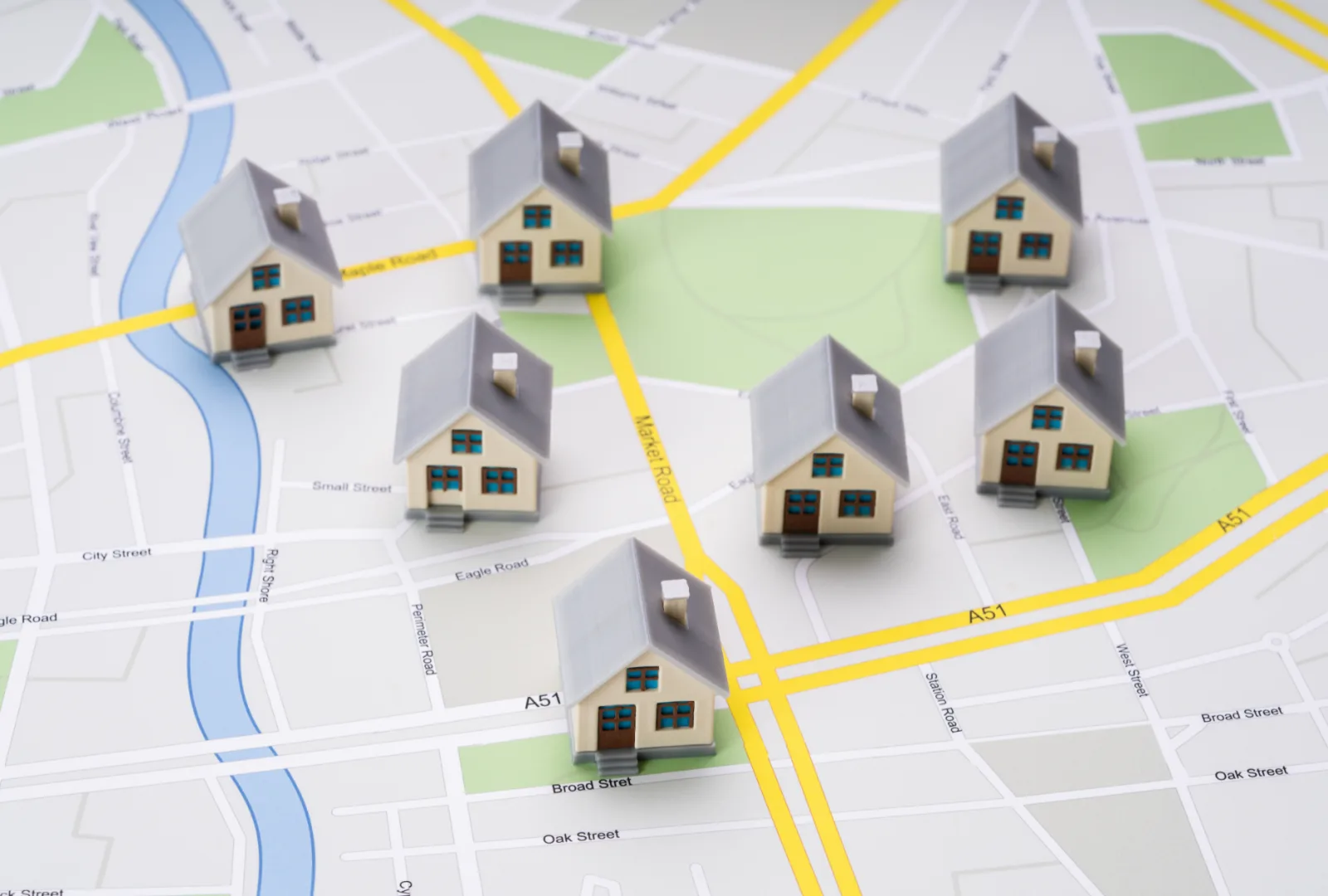
Spatial visibility is a core requirement of effective coordinated housing search. Map Search puts it in the workflow, not in a separate tool.

Tenancy applications, landlord screening criteria, W-9s, MOUs — exchange and manage every housing search and lease-up document directly in the app.

As communities scale Permanent Supportive Housing and Rapid Rehousing, there's a clear opportunity to align landlord engagement and housing search at the system level.
Common questions
What is housing navigation?
The coordinated work of helping a household prepare for, identify, pursue, secure and stay in housing. It crosses search, application, inspection, program approval, lease-up and the handoff to ongoing support, which is why it rarely sits with a single role.
What is the difference between housing navigation and housing search?
Housing search finds and evaluates realistic options. Navigation is the wider workflow that carries the household and the housing opportunity through everything lease-up requires. A community can run a good search process and still lose units at the approval handoff.
What does a housing navigator do?
Prepares the household for search, develops realistic options against what the household can afford and qualify for, makes and tracks inquiries, and keeps the application, inspection and approval steps moving until a lease is signed. In most Continuums the role also carries the handoff to whoever supports the tenancy afterward.
Should a CoC centralize its housing navigation staff?
Not necessarily. A Continuum can coordinate navigation through shared roles, standards, workflow and information while staff remain employed by different providers. What has to be centralized is accountable ownership at each handoff, not the payroll.
How should software support client choice during navigation?
By making options, location, access conditions and status easier to understand and compare, so the household and the staff working with them can have a better conversation. Software should record the decision and the reasons behind it. It should not rank units for a household or decide who receives one.
What should a housing navigation program measure?
The time spent in each state rather than one end-to-end average: referral to search readiness, readiness to first realistic option, inquiry response, application to inspection, inspection to approval, and approval to lease-up. Alongside those, count reservation expirations, duplicate pursuits, stalled handoffs and returns to search.
Housing search
How a Continuum runs housing search across providers — a live list of available units, navigators who can act on it, and participants choosing where they live rather than being placed.
Go to housing searchLandlord engagement
How Continuums recruit, track and keep the property owners who lease to people leaving homelessness — one relationship record for the whole community rather than a spreadsheet per agency.
Go to landlord engagementCase studies
Continuums of Care and housing agencies on how they centralized landlord engagement, housing search or rental assistance administration: what it took, and what changed afterward. Named, quoted, and specific.
Go to case studiesSee coordinated navigation running
Bring the handoffs your teams use today, including the ones that happen over email. We will walk through what Connect makes visible across agencies and what stays with your staff.