Behavioral health rental subsidies are a housing program run inside a health system
How LME/MCOs, statewide housing administrators, state agencies and county behavioral health departments run rental subsidies for people with serious mental illness: referral, unit approval, HAP agreements, monthly payments and recertification.
Many states pay rent for people with serious mental illness out of their own budgets, under Olmstead settlements and state housing programs, and some now through Medicaid. North Carolina's Transitions to Community Living program alone had 3,998 people in housing slots in mid-2025.
The work is the same work a housing authority does: an eligibility decision, a unit inspected and its rent checked against the market, a HAP agreement with the owner, a monthly payment, an annual recertification, and an exit. What changes from state to state is who holds each step. In North Carolina the LME/MCO is the subsidy administrator; Alliance Health, for one, signs the HAP agreement and pays by EFT. In Arizona a statewide housing administrator does it under contract to the Medicaid agency. In New Mexico and Minnesota the behavioral health agency refers and a housing finance agency or a local housing authority pays.
Medicaid rent is newer and shorter. California's Transitional Rent became mandatory for the behavioral health population on January 1, 2026 and pays up to six months through providers contracted with the managed care plans. Some of the work carries over from HUD-funded programs unchanged, and the articles below start with two of those parts: inspecting the unit and searching for housing.
Housing search cost matrix
22 housing search and move-in costs checked against Medicaid, CoC, ESG, SSVF and HCV, with the citation behind every cell. Find which deposits, fees and search costs a Medicaid housing benefit can cover, and which have to come from another source.
Open the matrix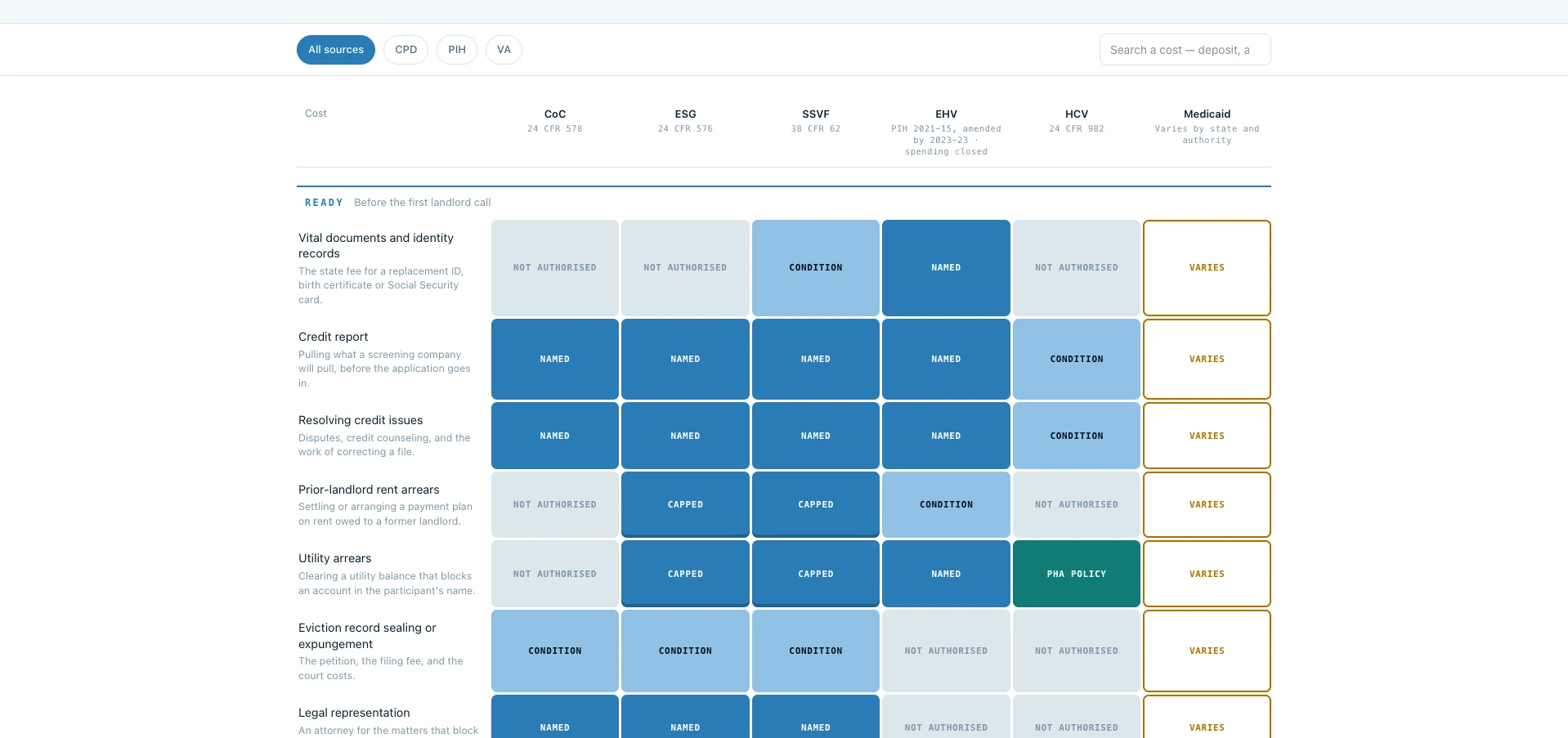
A state subsidy, from referral to recertification
The steps are a housing authority's. The difference is that referral, tenancy support and payment often sit with different organizations.
Start here
The pieces worth reading first.
In most of these programs the agency that decides who is eligible is a different organization from the one that pays the landlord. The administrator cutting the monthly check carries the inspections, the HAP agreements and the recertifications.
Common questions
Who administers rental subsidies for people with serious mental illness?
It varies by state. North Carolina's four LME/MCOs administer Transitions to Community Living Vouchers, per the TCL Housing Guidelines. Arizona contracts a statewide housing administrator for the AHCCCS Housing Program. New Mexico's behavioral health agency funds Linkages through the state housing finance agency, which contracts local housing administrators.
How is the tenant share calculated?
Each program sets its own percentage. North Carolina's TCL voucher sets it at 25% of gross income with a $100 minimum, per the TCL Housing Guidelines. Arizona's AHCCCS Housing Program sets up to 30% of income, under Housing Choice Voucher rules, per its guidebook. California's Medicaid Transitional Rent has no member share at all.
What inspection standard do these programs use?
Each program sets its own. Arizona's administrator contract requires HQS or NSPIRE before move-in and HQS at recertification and move-out, per RFP YH26-0003. New Mexico's Linkages manual accepts HQS or NSPIRE. Los Angeles County DMH requires housing funded under the Behavioral Health Services Act to meet NSPIRE.
Does Medicaid pay rent?
In some states, for up to six months. California's Transitional Rent became mandatory for the behavioral health population on January 1, 2026. Arizona's H2O program and Oregon's health-related social needs benefit also cover up to six months, and Oregon's rent coverage ends with dates of service after September 30, 2027, per OHA's guidance.
Is HMIS or a care management system enough to run a subsidy?
Neither pays landlords. They record who is served and what services they received. A subsidy administrator also runs HAP agreements, rent calculations, inspections and monthly payments, and reconciles them to what the state reimburses. Arizona's administrator contract requires both HMIS and separate housing program software, per RFP YH26-0003.
Housing program administration
Eligibility, income examinations, rent calculation, inspections, payments and the record that has to hold up afterward — the work between the tools, and who keeps it correct when the rules change.
Go to housing program administrationNSPIRE inspections
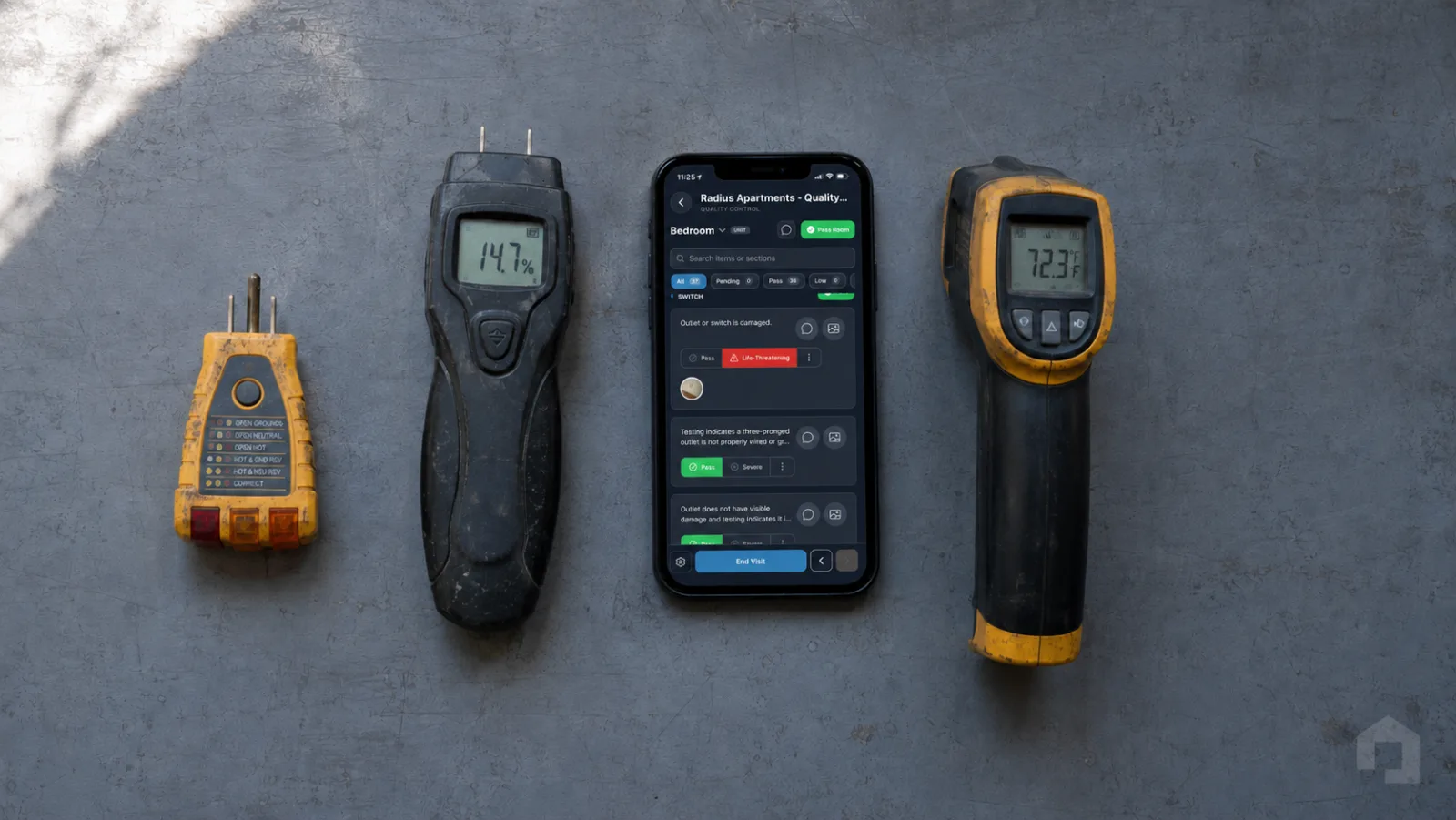
HUD's inspection standard is replacing HQS program by program. What it looks for, how it scores, when each program has to comply, and what it means to run it in the field. Padmission Inspections is the NSPIRE inspection app built for these programs.
Go to nspire inspectionsHousing search
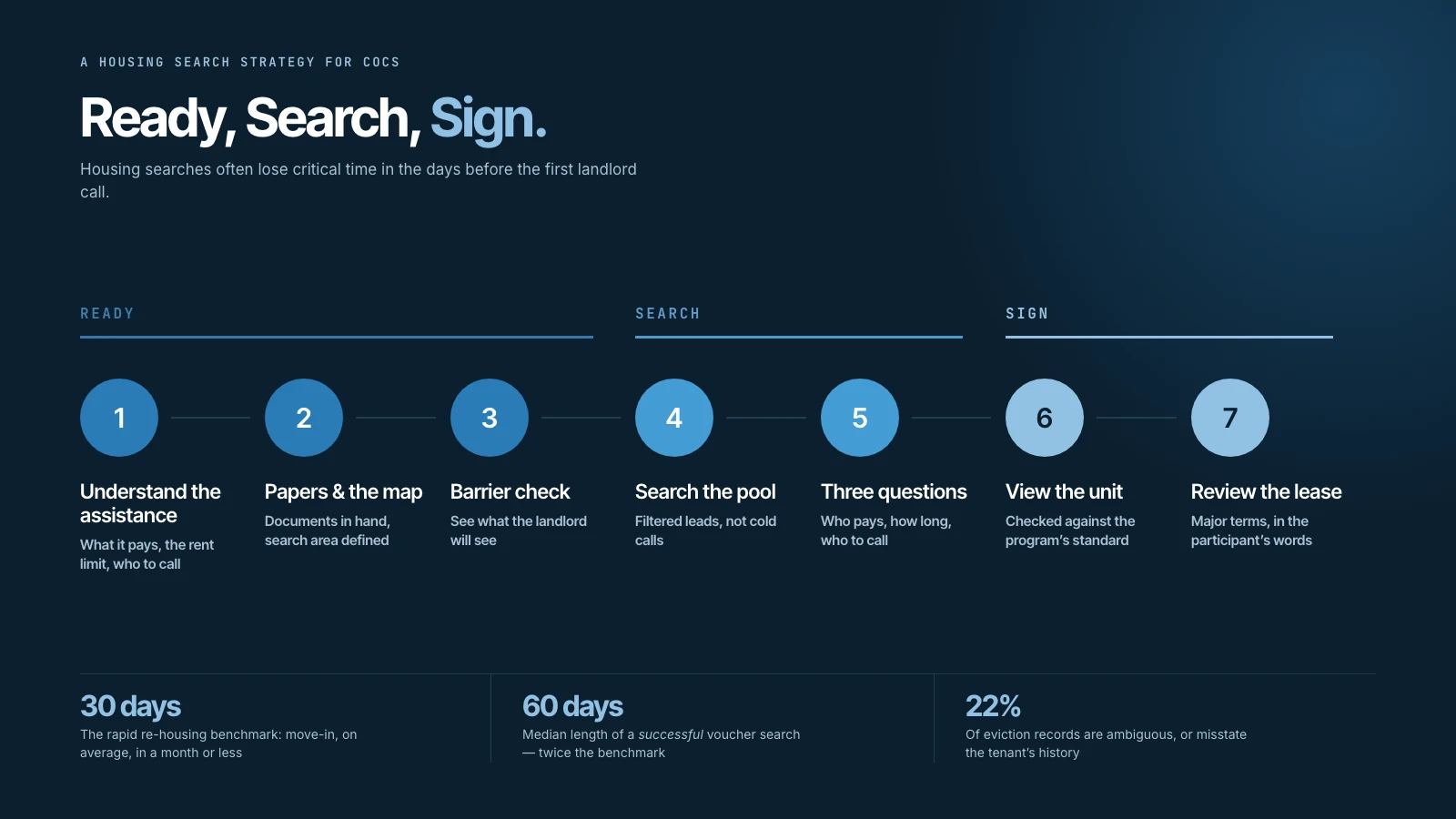
How a Continuum runs housing search across providers — a live list of available units, navigators who can act on it, and participants choosing where they live rather than being placed.
Go to housing searchSee a state subsidy administered in Journey
Bring your program rules — the tenant share, the payment standard, the risk mitigation fund, the state reimbursement — and we will walk through how they would run in Journey and what stays with your staff.